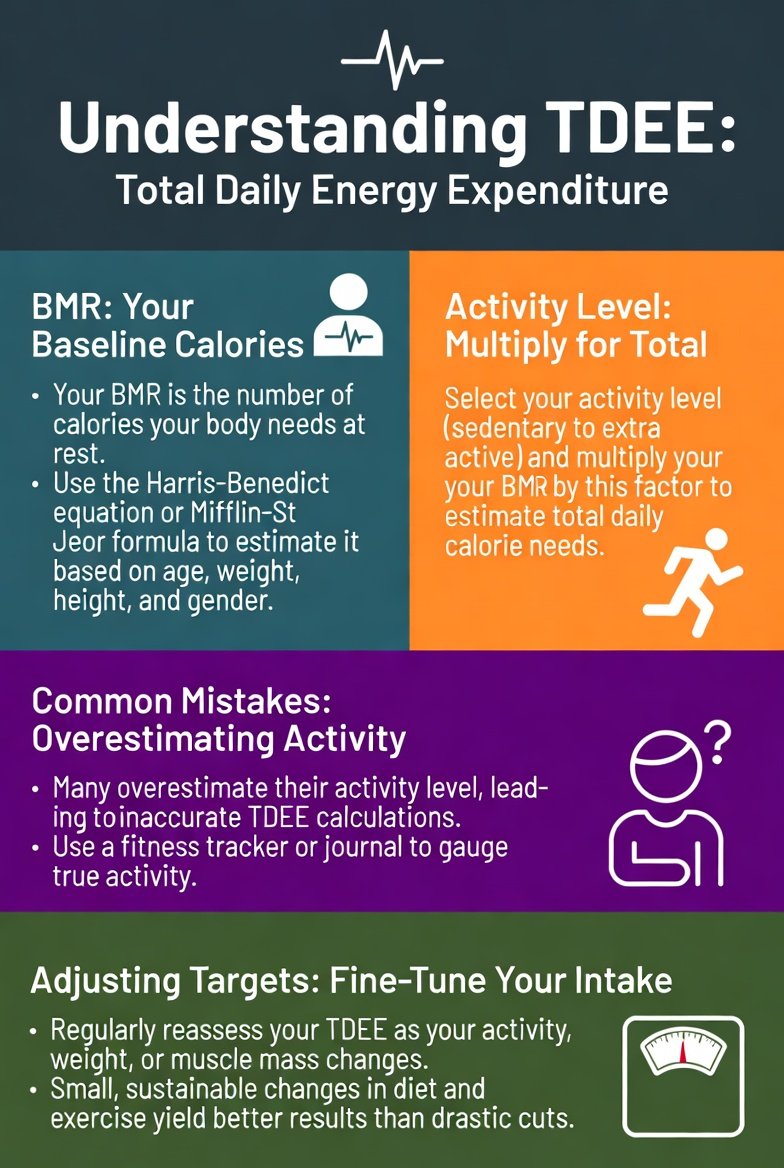
TDEE Explained: Why Most People Get Their Calorie Target Wrong
Most people plug their stats into a TDEE calculator, see a number like 2,800 kcal, eat at that for “maintenance,” and wonder why they’re slowly gaining fat. Or they set a deficit based on it and stall after two weeks. Sound familiar?
The problem isn’t the calculator (if it’s using Mifflin-St Jeor). It’s you — or rather, how most people misuse TDEE. In 2026, studies and real-user data from thousands show TDEE estimates are off by 200-500 kcal for a huge chunk of people, often because of one massive error: overestimating activity level.
This post breaks down exactly what TDEE is, why it’s so often wrong, and how to get it right without the excuses. No fluff — just facts so you can finally nail your calorie target.
What TDEE Actually Is (And Isn’t)
TDEE stands for Total Daily Energy Expenditure. It’s the total calories your body burns in a full 24-hour day. Break it down:
- BMR (Basal Metabolic Rate) — ~60-70% of TDEE. Calories burned at complete rest (lying down, no digestion, no movement) for vital functions.
- NEAT (Non-Exercise Activity Thermogenesis) — ~15-30%. Fidgeting, walking around the house, standing, typing — all the subconscious movement that drops hard in a deficit.
- Exercise/Activity — ~5-20%. Gym sessions, sports, runs.
- TEF (Thermic Effect of Food) — ~10%. Energy to digest what you eat (higher with protein).
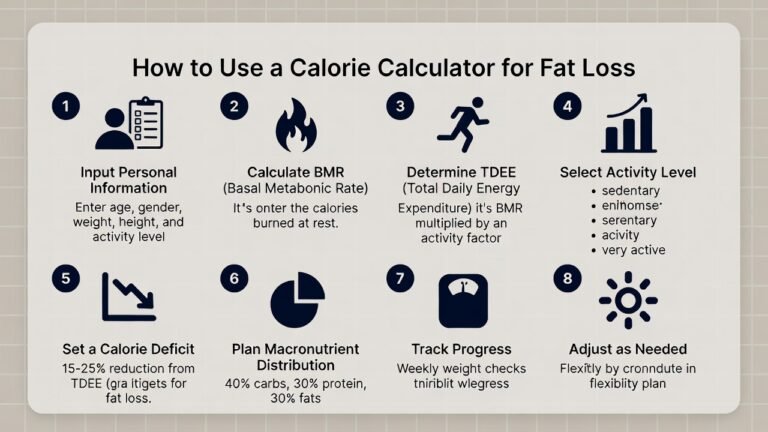
TDEE = BMR × Activity Multiplier (the simple way calculators do it). It’s an estimate, not magic. Real TDEE varies day-to-day and adapts over time (metabolic adaptation can drop it 5-15% in prolonged deficits).
The Gold-Standard Way to Calculate It: Mifflin-St Jeor + Realistic Multiplier
Forget outdated Harris-Benedict (it overestimates by 5-15% in modern populations, especially if you’re not super lean). Mifflin-St Jeor (1990) remains the most accurate BMR formula in 2026 studies — predicts within ~10% for most, sometimes better.
Formulas (same as your calculator uses):
- Men: BMR = 10 × weight (kg) + 6.25 × height (cm) − 5 × age + 5
- Women: BMR = 10 × weight (kg) + 6.25 × height (cm) − 5 × age − 161
Then multiply by activity:
- Sedentary (desk job, <5k steps, little/no exercise) → 1.2
- Lightly active (office + light walks + 1-3 sessions/week) → 1.375
- Moderately active (active job or consistent 3-5 gym days, 7-10k steps) → 1.55
- Very active (physical job + 5-6 hard sessions, 10k+ steps) → 1.725
- Super active (construction + intense training daily) → 1.9
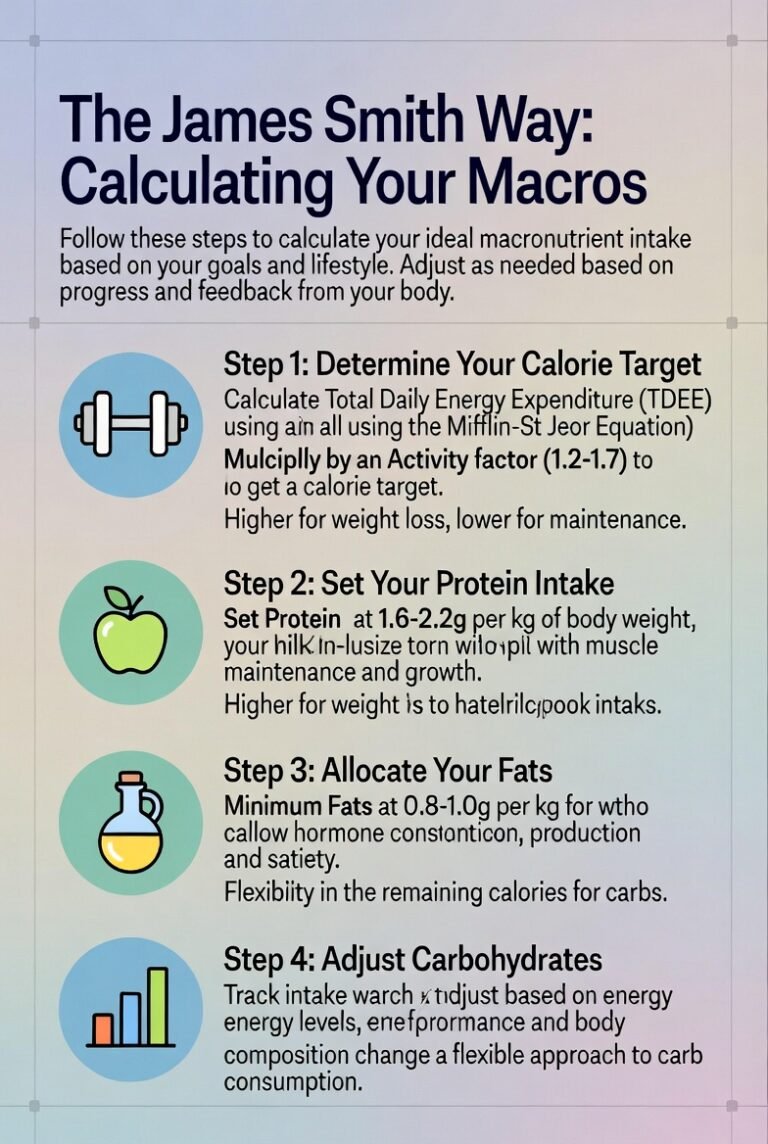
James Smith style: Err low. Most gym-goers think they’re “moderately active” but are really “lightly” because 23 hours are sedentary.
Why Most People Get TDEE (and Their Calorie Target) Completely Wrong
Data from 10,000+ users and recent analyses show error rates of 10-30% (200-700 kcal off). Here’s why:
- Overestimating Activity Level (The #1 Killer) 80% of people pick too high. You hit the gym 4x/week? Awesome — but if the rest is Netflix and desk, you’re likely “lightly active” (1.375), not “very” (1.725). That difference? 300-500 kcal. Eat at the inflated TDEE = slow fat gain disguised as “maintenance.”
- Ignoring NEAT Drop In a deficit, people subconsciously move less (fewer steps, more sitting). TDEE falls 200-400 kcal without you noticing.
- Using Wrong Formula or Old Calculators Harris-Benedict overestimates BMR. Some apps still use it.
- Eating Back Exercise Calories If your multiplier already includes workouts, adding 400 kcal from a tracker (which overestimates burn by 20-40%) = overeating.
- Not Adjusting Over Time Lose 10 kg? BMR drops ~100-200 kcal. Re-calculate every 4-6 weeks or track real progress.
- Genetics & Adaptation Some people are “metabolic outliers” (±15%). Calculators can’t predict that — only tracking can.
Result? You eat your “calculated maintenance” and gain. Or cut too hard and crash.
How to Fix It and Get an Accurate Calorie Target
- Use a Mifflin-St Jeor based calculator (like ours — free, no BS).
- Be honest (brutally) with activity — start conservative.
- Take the number as a starting point.
- Track intake/weigh food accurately for 2 weeks.
- Weigh daily → weekly average.
- Rules:
- No change or gain? Drop 100-200 kcal (or increase steps).
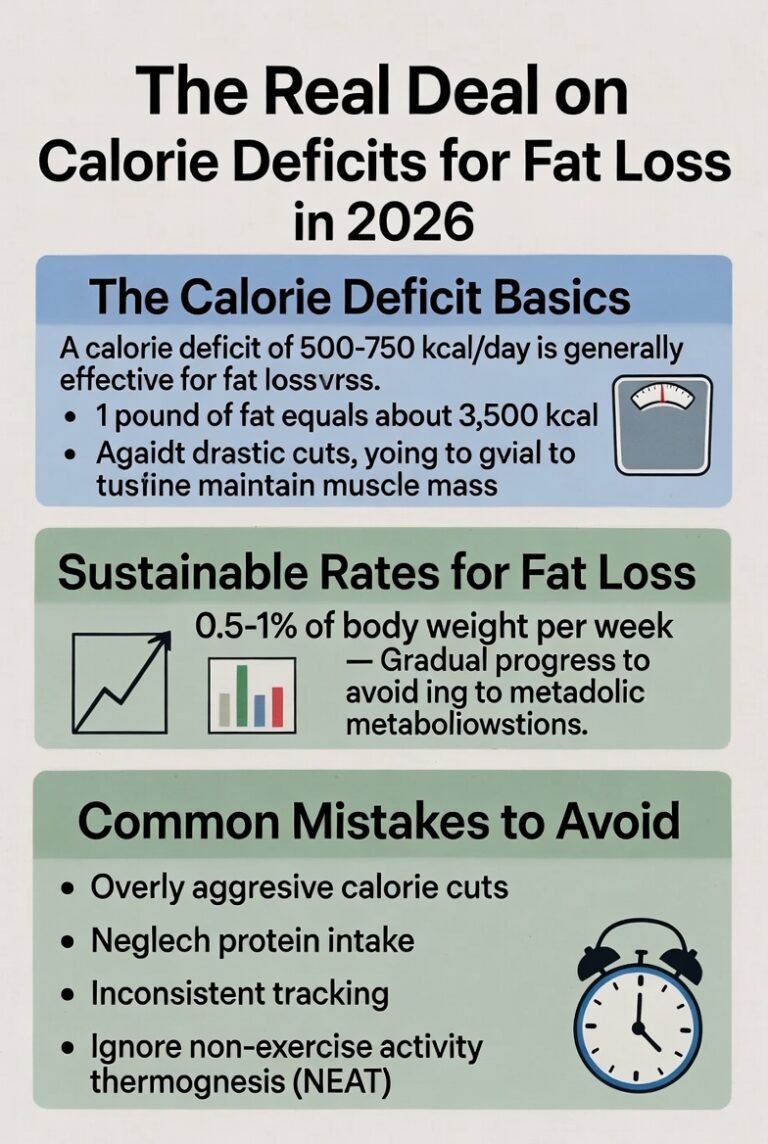
- Losing 0.5-1% bodyweight/week? Spot on.
- Too fast/hungry? Add back.
- Re-run calculator as weight changes.