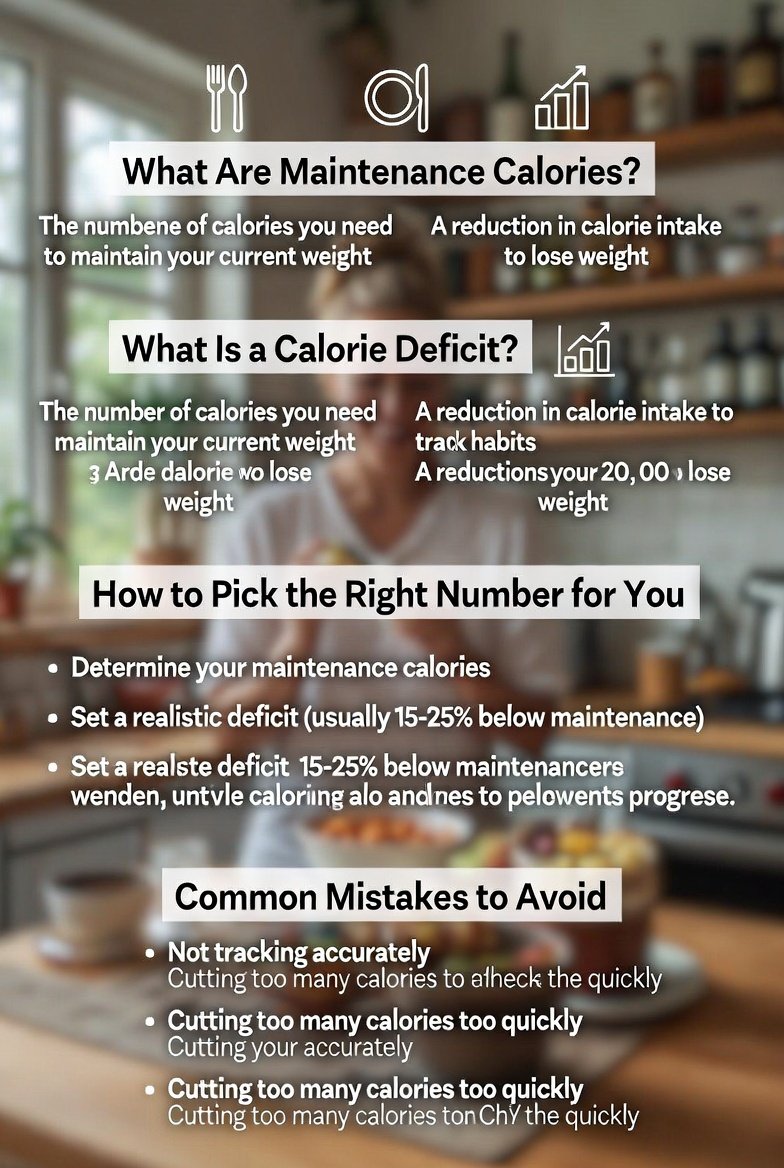
Maintenance Calories vs Deficit: How to Pick the Right Number for You
Everyone wants the magic number: “Just tell me how many calories to eat.” But there’s no one-size-fits-all. Maintenance calories (your TDEE) keep you where you are — stable weight, energy, hormones. Deficit calories (below TDEE) force fat loss — but too deep, too long, and you crash.
James Smith style: Pick based on reality, not vibes. Track for 2–4 weeks, adjust ruthlessly. Here’s how to decide between maintenance and deficit in 2026 — no fluff.
What Maintenance Calories Actually Mean
Maintenance = TDEE (Total Daily Energy Expenditure). Calories your body burns daily at current weight/activity.
- Eat here: Weight stays stable (give or take water fluctuations).
- Why use it?
- Reset after long deficit (hormones recover, NEAT rebounds, adherence improves).
- Body recomposition (lose fat, gain muscle slowly — best for beginners, intermediates, or higher body fat).
- Long-term lifestyle (no endless cutting; sustainable habits).
- Diet break (1–4 weeks at maintenance every 8–12 weeks in deficit to fight adaptation).
In 2026 evidence: Maintenance phases prevent metabolic slowdown (5–15% BMR drop in prolonged deficits) and make future cuts easier.
What a Calorie Deficit Actually Means
Deficit = Eat below TDEE. Body taps fat stores.
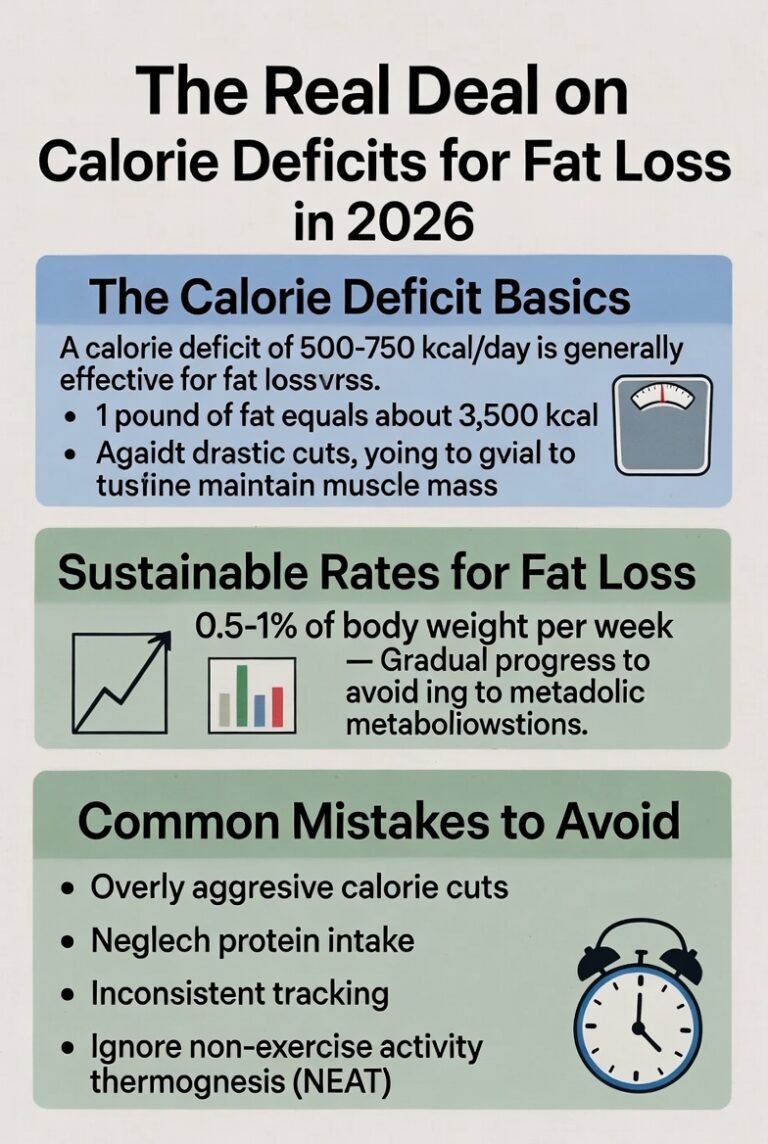
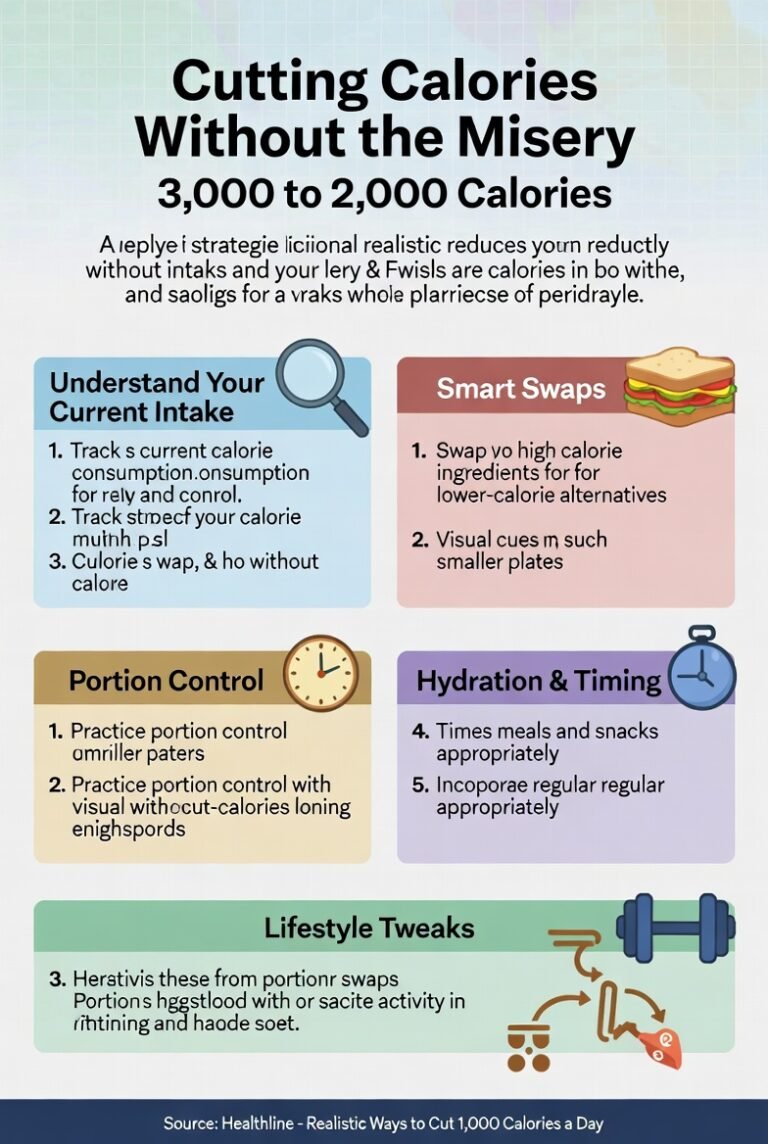
- Safe/sustainable: 300–750 kcal below (or 15–25% off TDEE) → 0.5–1 lb/week loss (mostly fat if protein high/training).
- Aggressive: >750 kcal — faster but risks muscle loss, fatigue, rebound.
- Why use it?
- Primary fat loss goal (visible leanness, dropping body fat %).
- When you’re ready to push (good adherence, not already lean/low energy).
- Short phases (8–16 weeks) then maintenance break.
Current guidelines (ADA/CDC-aligned 2025–2026): Moderate deficits win for long-term success — avoid extremes that tank metabolism or lead to yo-yo.
How to Pick: Step-by-Step Decision Tree
- What’s Your Main Goal Right Now?
- Pure fat loss (e.g., 10–20+ kg to lose, beach ready, lower BF%): Deficit. Start 15–20% below TDEE (~400–600 kcal cut).
- Body recomp (lose fat + gain muscle, especially if new to training or 20–30%+ BF): Slight deficit (200–400 kcal) or even maintenance with high protein/strength training.
- Maintenance/lifestyle (hold weight, build habits, recover): Maintenance straight up.
- How’s Your Current State?
- Dieted hard for months? Low energy/hunger/stalled lifts? Go maintenance (or reverse diet up slowly) for 2–6 weeks.
- Feeling good, consistent training, tracking accurately? Deficit time.
- Beginner/novice lifter? Maintenance or tiny deficit often yields recomp magic.
- Track Reality, Not Theory
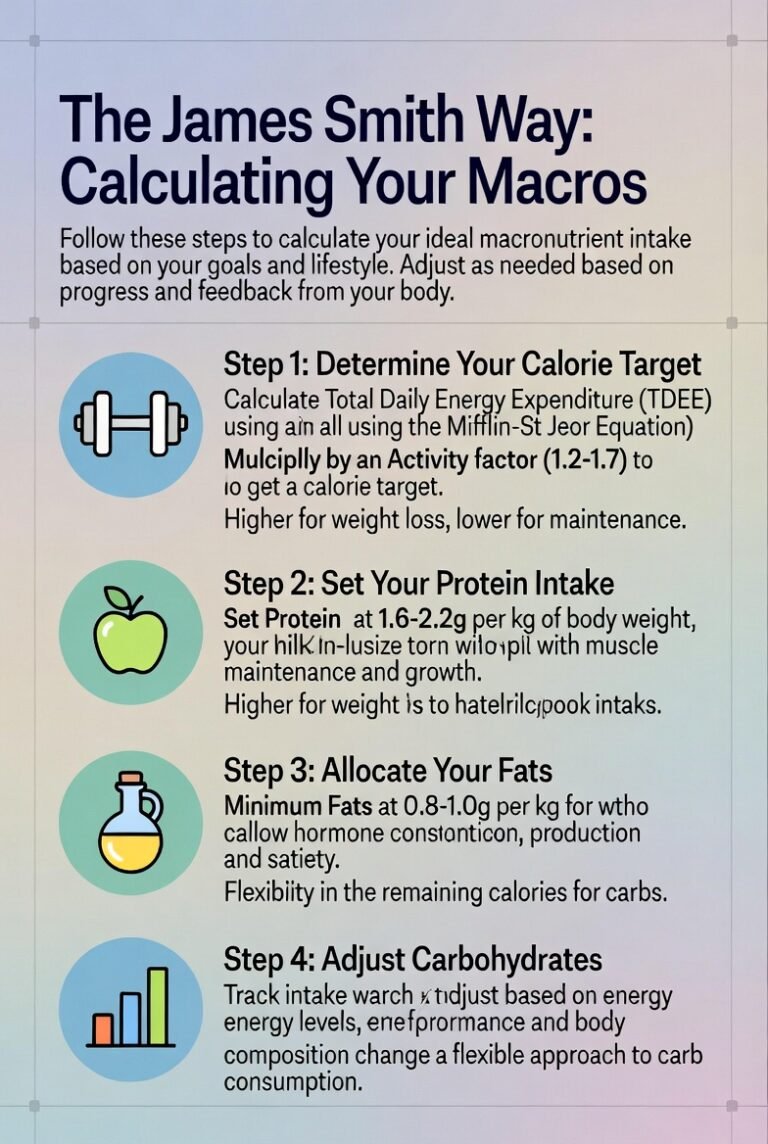
- Calculate TDEE via our James Smith Calculator (Mifflin-St Jeor + honest activity).
- Track intake/weight 2 weeks accurately.
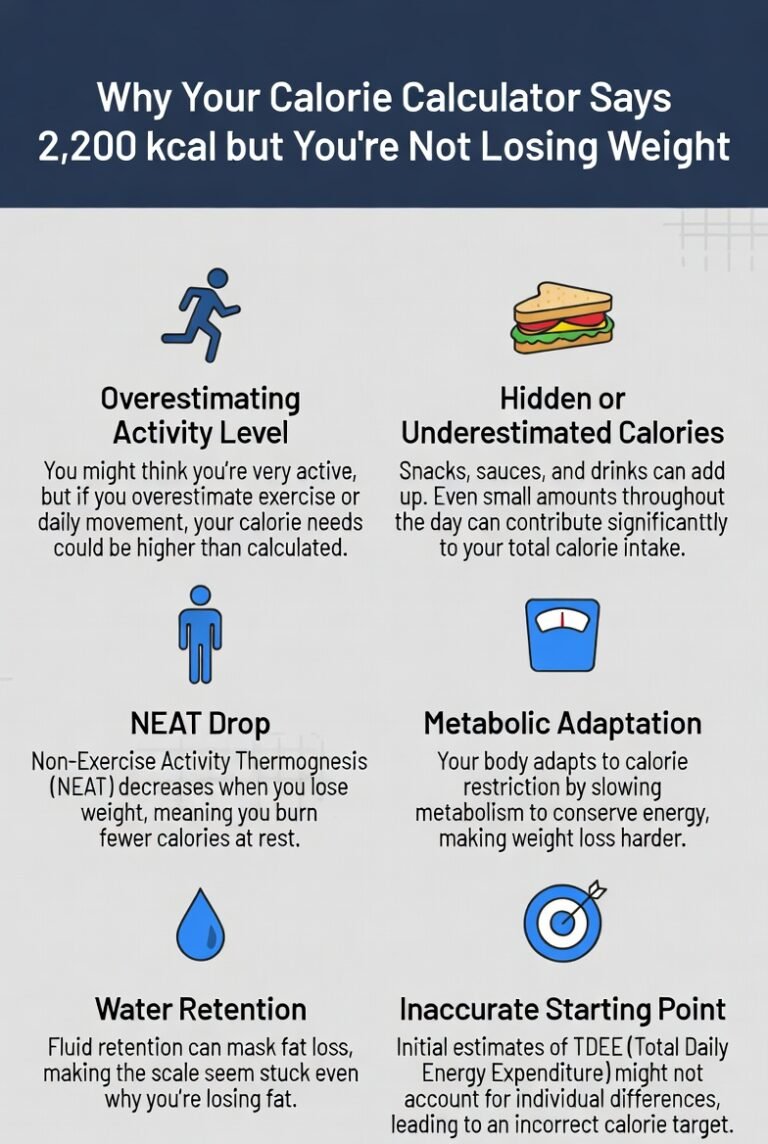
- No loss at “deficit”? You’re likely at maintenance — cut 100–200 kcal or boost steps.
- Stable at “maintenance”? Spot on (or slight surplus if gaining).
- Adjust every 4–6 weeks as weight/activity changes.
Real-World Examples
- 80 kg guy, TDEE 2,500 kcal, wants to drop to 75 kg lean:
- Deficit: 2,000–2,100 kcal (400–500 cut) → Aim 0.5–0.75 kg/week loss.
- After 8–12 weeks: 2 weeks maintenance at new TDEE (~2,300) to reset.
- Woman, 65 kg, TDEE 2,000 kcal, recomp goal (tone up, build glutes):
- Slight deficit/maintenance: 1,800–2,000 kcal, high protein (130–150 g), heavy lifts → Slow fat drop + muscle gain.
- Post-diet burnout, stalled progress:
- Maintenance 4 weeks: Eat at TDEE, train hard → Energy up, then deficit again.
Common Mistakes to Avoid
- Staying in deficit forever → Adaptation, burnout, rebound.
- Jumping to aggressive deficit too soon → Lose muscle, hate life.
- Ignoring maintenance phases → Harder cuts later.
- Not tracking → Guessing maintenance/deficit fails.
- Forgetting protein (1.6–2.2 g/kg) and training → Deficit becomes muscle loss.