How to Adjust Your Calorie Target Every 2–4 Weeks (The Smart Way)
You start strong: TDEE 2,800 kcal → deficit to 2,300 kcal → lose 0.7 kg/week for the first month. Then… nothing. Scale flatlines for 3 weeks. Most people panic, slash another 500 kcal, feel wrecked, binge, and quit. That’s the dumb way.
The smart way? Treat your calorie target as a living number — adjust it every 2–4 weeks based on real data (scale, measurements, energy), not feelings. James Smith style: Small, evidence-based tweaks keep progress steady without misery or metabolic nosedive. Here’s exactly how.
Why You Must Adjust (Your Body Isn’t Static)
As you lose weight:
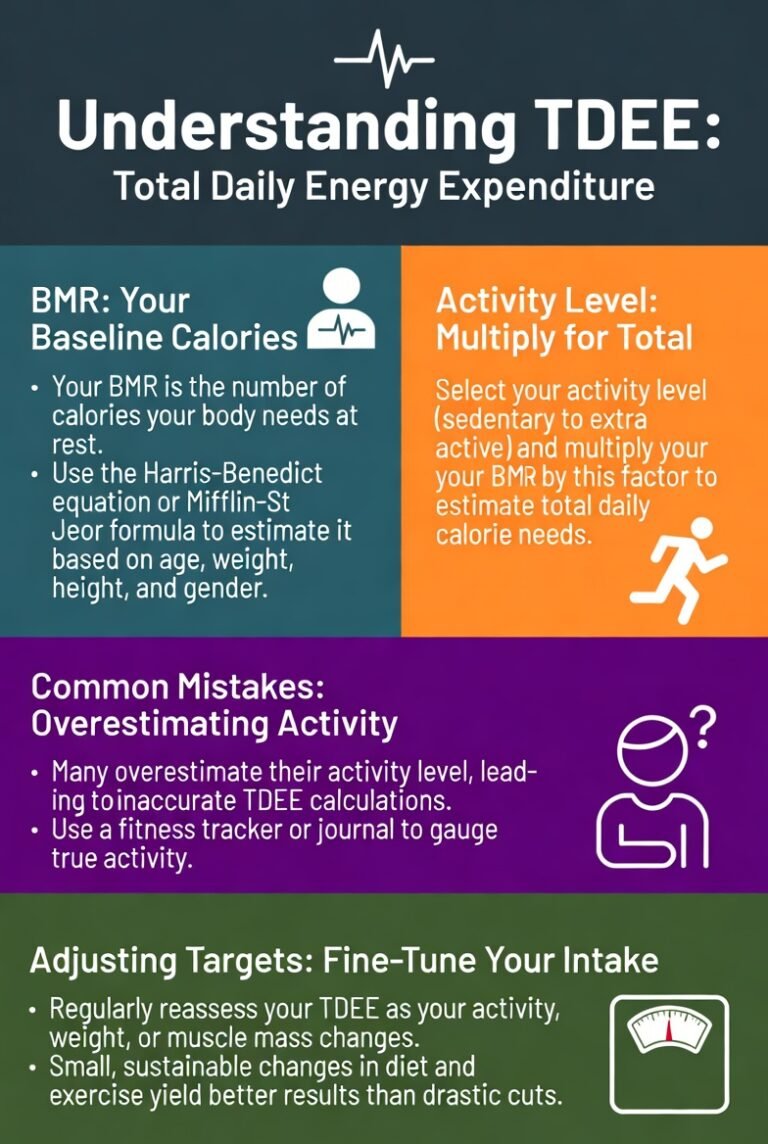
- BMR drops ~20–25 kcal per kg lost (less mass = less burn).
- NEAT often falls 100–300 kcal (subconscious less movement).
- Metabolic adaptation can shave 5–15% off TDEE long-term.
- Result: Your original deficit shrinks or vanishes — progress stalls.
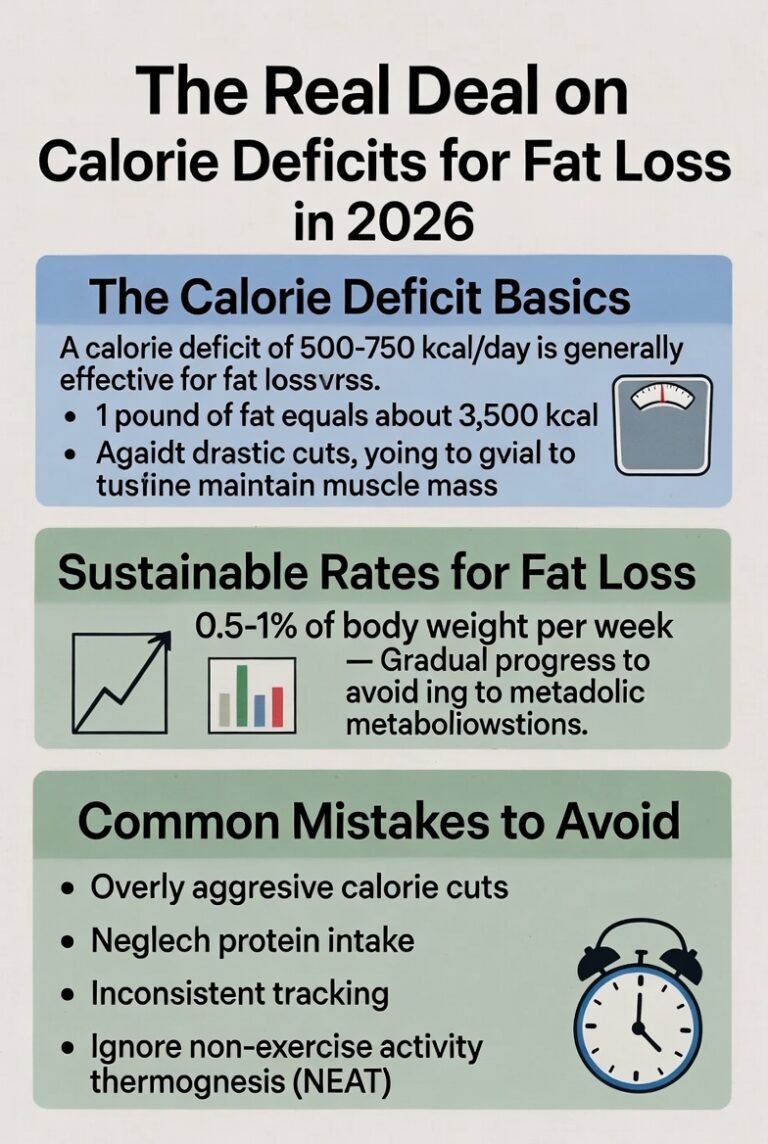
If you never adjust, a 500 kcal deficit becomes 200–300 after 10–15 kg lost. Adjust proactively to keep the rate sustainable (0.5–1% bodyweight/week).
Step 1: Track the Right Data (Weekly Averages, Not Daily Drama)
Daily scale weight swings 1–3 kg from water, food, glycogen, hormones. Ignore it.
- Weigh daily: Morning, after toilet, before eating/drinking — same conditions.
- Calculate weekly average: Sum 7 days ÷ 7.
- Bonus: Weekly waist/hip measurements + progress photos (same lighting/pose).
- Track energy, hunger, training performance (lifts stalling? Add calories back).
Rule: After 2–3 weeks of accurate tracking (weighed food, honest logging), decide.
Step 2: The 2–4 Week Adjustment Rules (Small & Smart)
Every 2 weeks (micro-check) and 4 weeks (full recalc):
- Progress on track (0.5–1% bodyweight/week loss)? Stay the course. No change needed.
- Too slow or stalled (less than 0.3–0.4 kg/week average after 2–3 weeks)?
- Option A (preferred): Increase output first — add 2,000–4,000 steps/day or 1 extra session/week (boosts TDEE naturally).
- Option B: Drop intake 100–200 kcal (e.g., trim carbs/fat slightly, keep protein high).
- Never slash >200–300 kcal at once — hunger/adaptation spikes.
- Losing too fast (>1–1.5% bodyweight/week) or feeling wrecked (low energy, poor sleep, stalled lifts)? Add 100–200 kcal back (mostly carbs for energy). Better slow & sustainable than fast & crash.
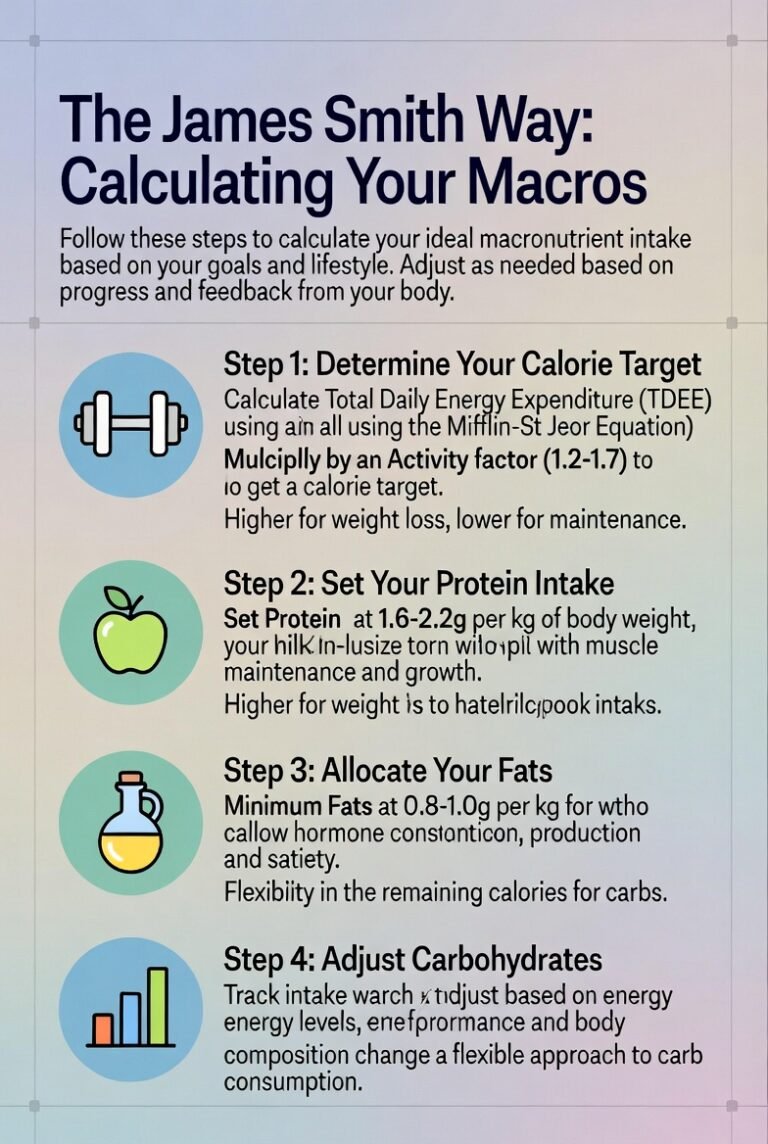
- Every 4–6 weeks or 5–10 kg lost: Full recalc Re-enter current weight/height/age/activity into the James Smith Calculator. New TDEE will be lower — set new deficit from there (15–20% below).
Example timeline (80 kg start, TDEE 2,800 → target 2,300):
- Weeks 1–4: Lose ~2.5–3 kg → average 0.6–0.75 kg/week → stay.
- Weeks 5–6: Stall at new weight → add 3k steps/day or drop 150 kcal → resume loss.
- Week 8: Weight now 75 kg → re-calc TDEE ~2,650 → new target ~2,150–2,250.
Step 3: Pro Tips to Make Adjustments Easier
- Keep protein high (2.0–2.2 g/kg) — buffers hunger when calories drop.
- Prioritize sleep/stress — poor recovery mimics “stall.”
- Include diet breaks: 1–2 weeks at new maintenance every 8–12 weeks → resets hormones/NEAT.
- Don’t adjust on feelings alone — data first.
- Log everything: Intake, weight average, steps, notes on energy/hunger.
Common Mistakes That Sabotage Adjustments
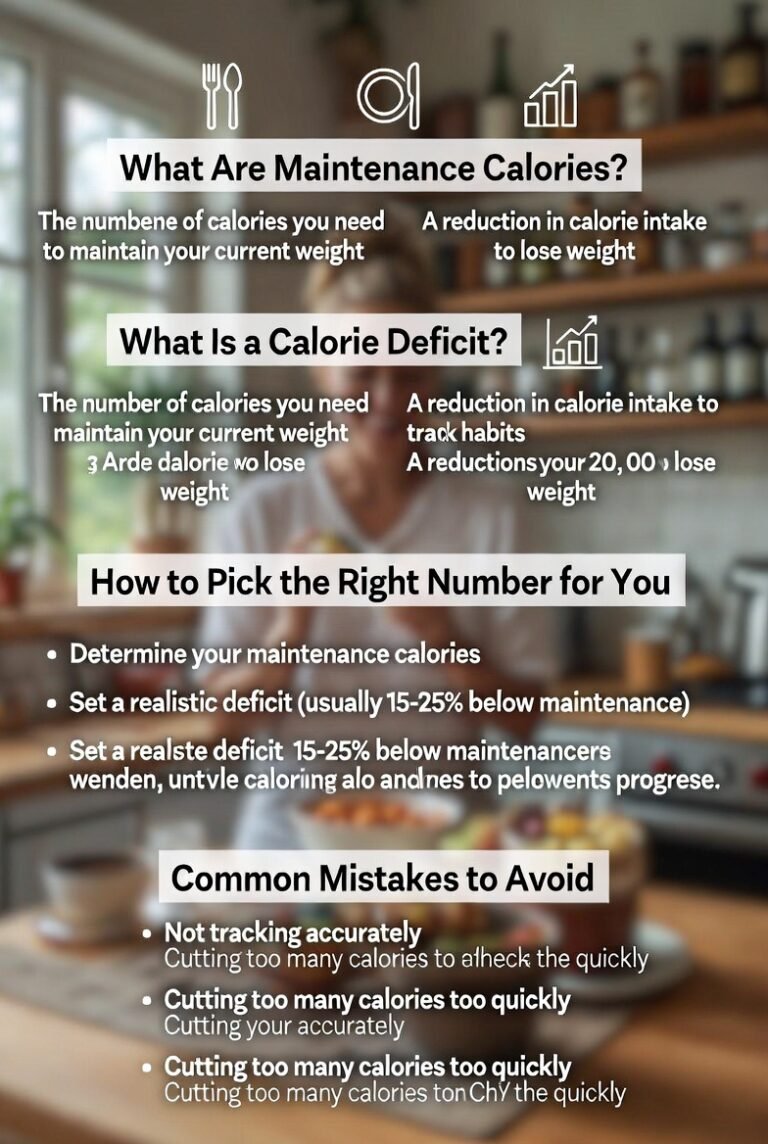
- Big cuts (500+ kcal) when stalled → Crash metabolism faster.
- Adjusting weekly on daily scale noise → Over-correction chaos.
- Ignoring NEAT drop → Blame “metabolism” instead of lazy habits.
- Never recalculating TDEE → Deficit evaporates.
- Quitting during normal plateaus — real stalls last 3–4 weeks max with proper tracking.