Calculate Your Macros the James Smith Way – Step-by-Step Guide
Macros aren’t rocket science, but most people screw them up: too little protein (lose muscle, stay hungry), fats crashed to zero (hormones tank), or carbs slashed so low you feel like death. James Smith’s approach cuts the BS — prioritize protein for muscle and fullness, keep fats sensible for health, let carbs fill the rest based on your goal and how you feel/perform.
This step-by-step guide shows exactly how to calculate macros the James Smith way (high-protein focus, realistic minimums, sustainable splits). Plug your numbers into our James Smith Calculator at the end — it does this automatically in seconds.
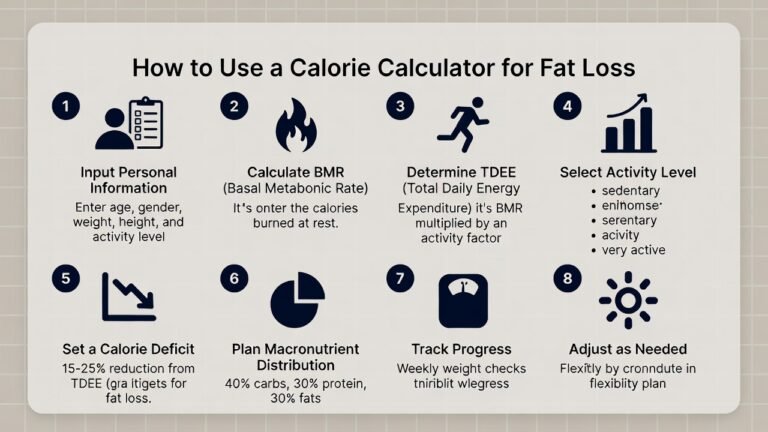
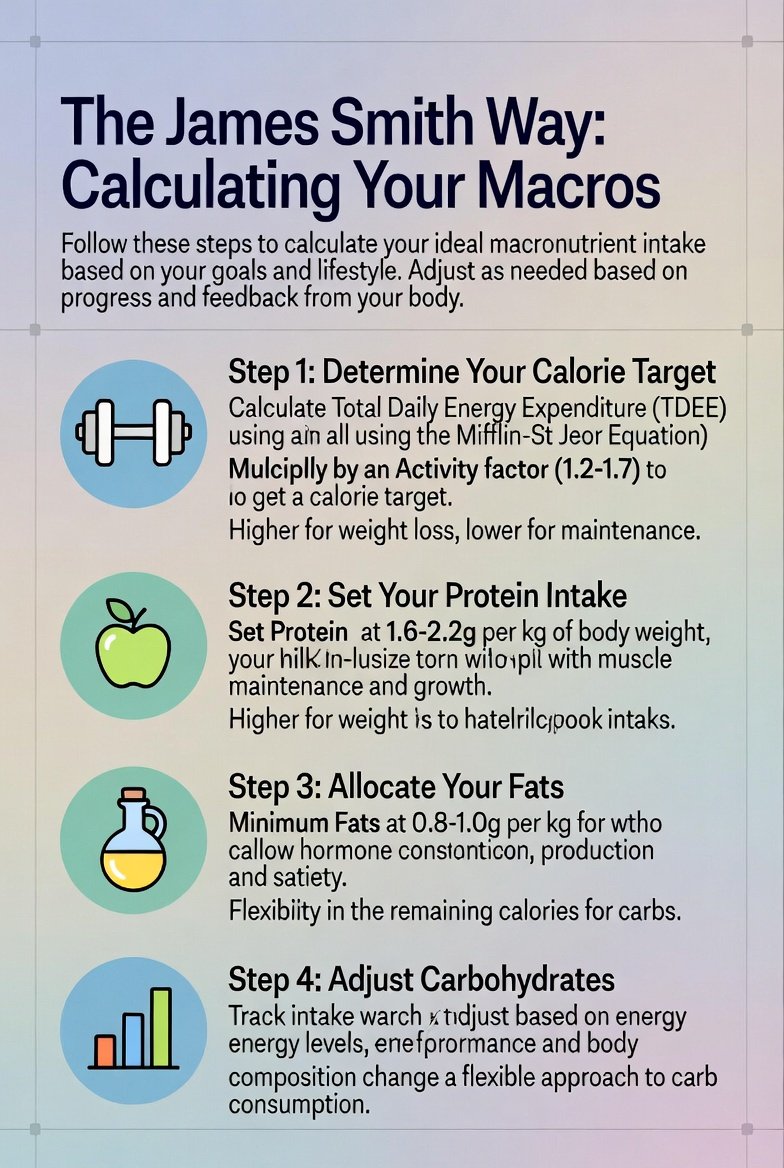
Step 1: Get Your Calorie Target First (TDEE – Deficit/Surplus)
Macros are percentages of calories, so start with total daily calories:
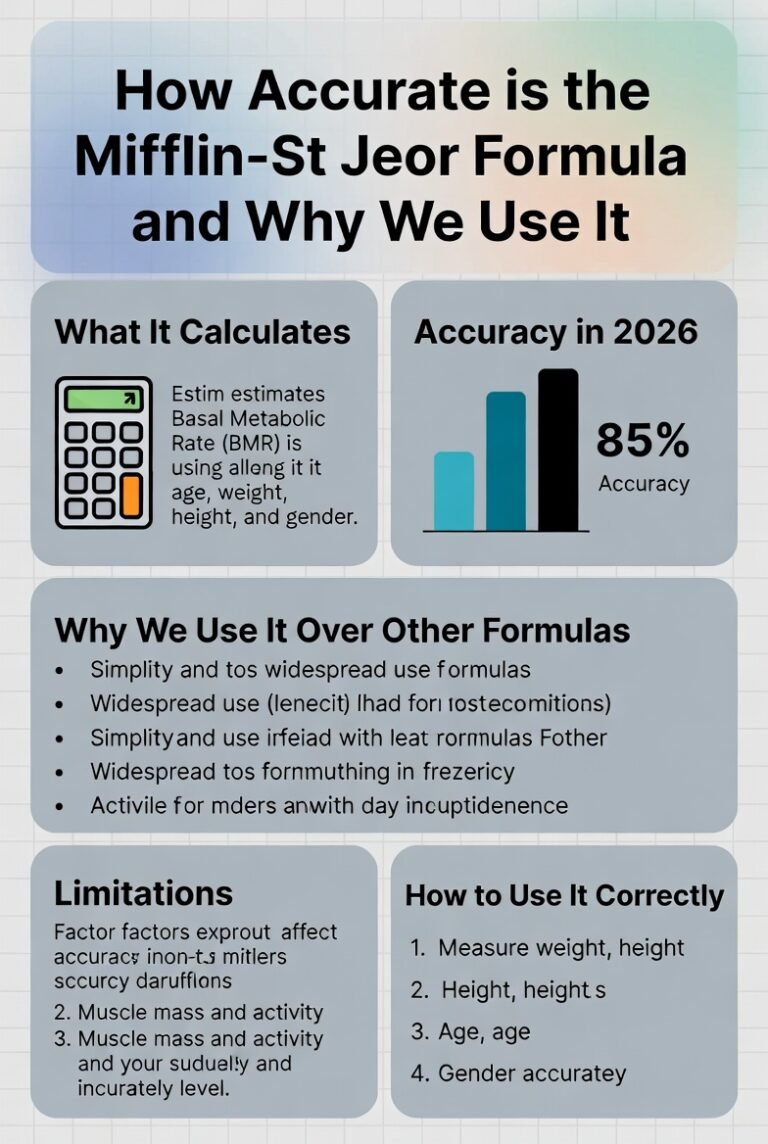
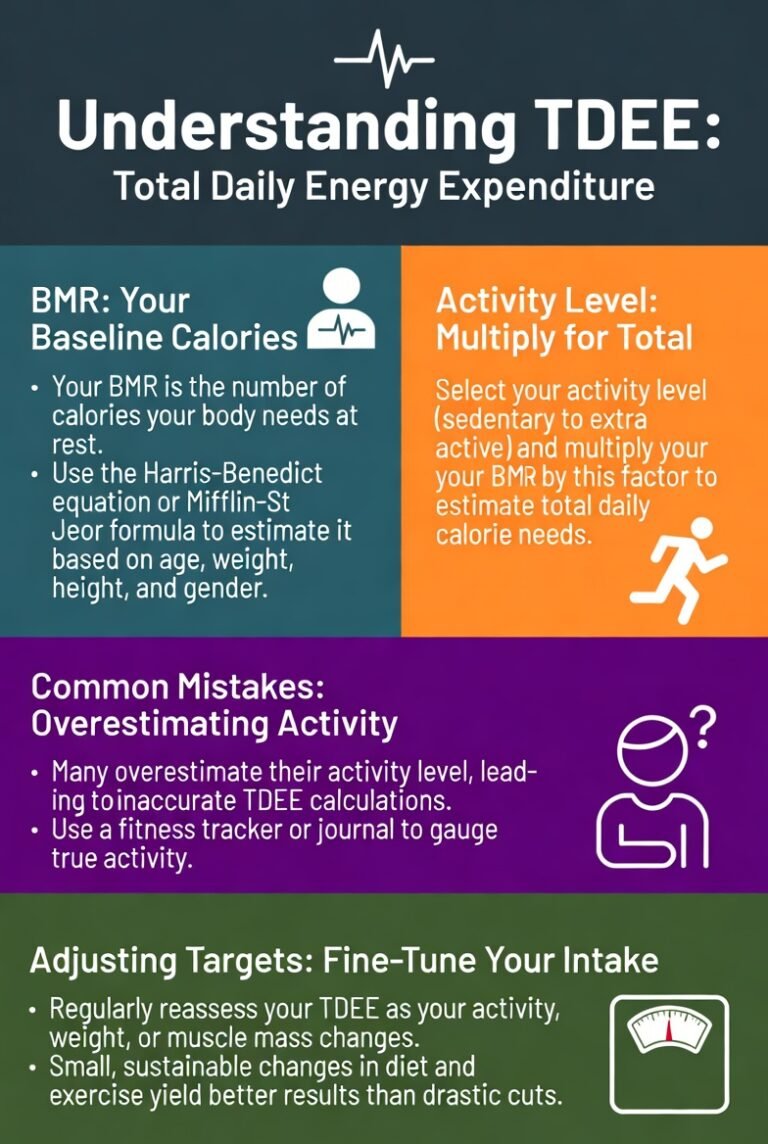
- Use Mifflin-St Jeor for BMR, multiply by honest activity level for TDEE (as covered in our TDEE post).
- Fat loss: Subtract 15–20% (or 500–750 kcal) for sustainable progress.
- Maintenance: Use TDEE straight.
- Muscle gain: Add 10–20% surplus (200–500 kcal).
Example: TDEE 2,500 kcal → Fat loss target 2,000 kcal.
Do this in our calculator first — it spits out your calories before macros.
Step 2: Set Protein — The Non-Negotiable Priority (James Smith Style)
James hammers protein high because:
- Preserves muscle in a deficit.
- Highest satiety (you stay full longer).
- Highest thermic effect (burns more calories digesting it).
Target: 1.6–2.2 grams per kg of bodyweight (or lean body mass if very overweight).
- 1.6 g/kg: Minimum for most in maintenance/light training.
- 2.0–2.2 g/kg: Ideal for fat loss, hard training, or if you want to maximize muscle retention.
Why this range? Evidence (ISSN position stands 2025–2026) shows 1.6+ g/kg optimal for body composition; higher helps adherence in deficits.
Example: 80 kg person
- Protein: 80 × 1.8–2.2 = 144–176 g/day
- Calories from protein: 144–176 × 4 = 576–704 kcal
Start at ~2.0 g/kg if cutting — easy to hit with shakes, chicken, eggs, Greek yogurt.
Step 3: Set Fat — Minimum for Health, Not Maximum
Fats aren’t the enemy, but excess kills your deficit fast (9 kcal/g).
James-style minimum: 0.8–1.0 g per kg bodyweight or 20–30% of total calories (whichever keeps you above essential levels for hormones/testosterone).
- Don’t go below ~0.7–0.8 g/kg long-term (women especially — impacts cycles).
- 20–30% is sustainable; higher if you prefer keto-ish, lower only short-term.
Example: 80 kg, 2,000 kcal target
- Fat: 60–70 g (540–630 kcal, ~27–31% of calories)
Sources: Avocados, nuts, olive oil, fatty fish, eggs — keep it simple.
Step 4: Fill the Rest with Carbs (Flexible Fuel)
Carbs = Total calories – (protein kcal + fat kcal)
- They fuel workouts, recovery, and mood.
- In fat loss: Lower but not zero (unless you function well low-carb).
- In gain/maintenance: Higher for performance.
Example (2,000 kcal target):
- Protein: 160 g = 640 kcal
- Fat: 65 g = 585 kcal
- Carbs: 2,000 – (640 + 585) = 775 kcal → ~194 g carbs (4 kcal/g)
Adjust: If training heavy, bump carbs; if sedentary/low-carb preference, drop slightly (but keep protein/fat floors).
Step 5: Quick Macro Split Examples (James Smith-Inspired)
- Fat Loss (2,000 kcal, 80 kg person): Protein: 160–180 g (32–36%) Fat: 60–70 g (27–32%) Carbs: 150–200 g (30–40%)
- Maintenance (2,500 kcal): Protein: 140–180 g (22–29%) Fat: 70–90 g (25–32%) Carbs: 250–300 g (40–48%)
- Muscle Gain (2,800 kcal surplus): Protein: 160–200 g (23–29%) Fat: 80–100 g (26–32%) Carbs: 300–400 g (43–57%)
Step 6: Track, Tweak, Repeat
Macros aren’t set in stone:
- Track intake accurately (weigh food first 1–2 weeks).
- Monitor: Energy, hunger, training performance, weekly weight/photos.
- Adjust: If hungry/stalled, add carbs or protein. If gaining unwanted fat, trim carbs/fat slightly.
- Re-calculate every 4–6 weeks or 5–10 kg change.
Common Mistakes to Avoid the James Smith Way
- Skimping on protein → Lose muscle, more hunger.
- Crashing fats too low → Poor hormones, cravings.
- Obsessing over “perfect” splits → Calories matter most; macros optimize.
- No tracking → Guessing fails 90% of the time.
- Ignoring how you feel → If low energy, up carbs; if bloated, tweak sources.
Get Your Macros Now – No Math Required
Stop guessing. Our James Smith Calculator follows this exact method: high-protein priority, realistic fats, flexible carbs. Enter stats → get TDEE → calories → macros split in under 30 seconds. Free, no sign-up.
Calculate yours today, track for 14 days, adjust based on real results. That’s the James Smith way — simple, effective, no excuses.