Building Muscle on a Small Surplus: Don’t Blow Your Calories on Junk
Hey James Smith Calculator community! If you’re trying to pack on muscle without turning into a fluffier version of yourself, you’ve probably heard the debate: dirty bulk vs. lean bulk. Spoiler: the smart money is on a small, controlled surplus — and doing it clean. Blowing your extra calories on junk food might feel fun in the moment, but it often leads to more fat gain, slower visible progress, and a tougher cut later.
In this detailed guide, we’ll explain exactly why a small surplus (typically +200–500 kcal above maintenance) is superior for most people, how your body actually builds muscle, why junk calories sabotage the process, and — most importantly — a practical, step-by-step plan to make lean gains that stick. Let’s get you building real muscle the efficient way.
Why a Small Surplus Beats a Dirty Bulk
Muscle growth (hypertrophy) happens when muscle protein synthesis exceeds breakdown over time. To tip the scales in your favor, you need:
- Progressive resistance training (the main stimulus)
- Sufficient protein
- An energy surplus to support recovery, repair, and anabolism
But how big does that surplus need to be?
Research (including studies from Eric Helms, Brad Schoenfeld, and others) consistently shows that beyond a small surplus (~250–500 kcal/day for most men, ~150–350 for women), extra calories don’t meaningfully accelerate muscle growth — they just accelerate fat gain.
- A classic study on resistance-trained men found that a ~500 kcal surplus produced similar lean mass gains to a much larger surplus, but with significantly less fat accumulation.
- Natural lifters (non-enhanced) have a limited “anabolic window.” Your body can only build so much new muscle tissue per month — usually 0.25–0.5 kg (0.5–1 lb) of actual muscle for intermediates, even less for advanced trainees.
Anything beyond that small surplus mostly pads your waistline. Dirty bulking (+800–1500+ kcal, often from junk) might get you “bigger” faster on the scale, but a large chunk is fat, water, and glycogen — not contractile tissue.
Bottom line: Small surplus = better partitioning (more calories → muscle, fewer → fat).
How Much Surplus Do You Actually Need?
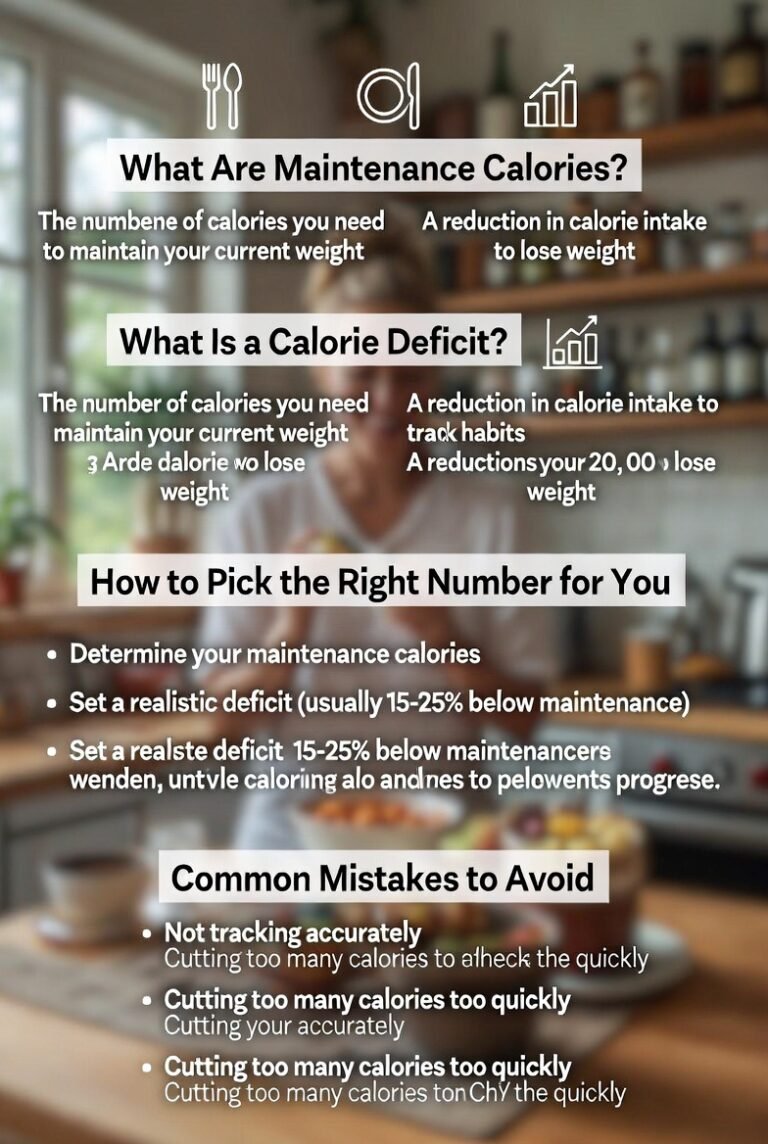
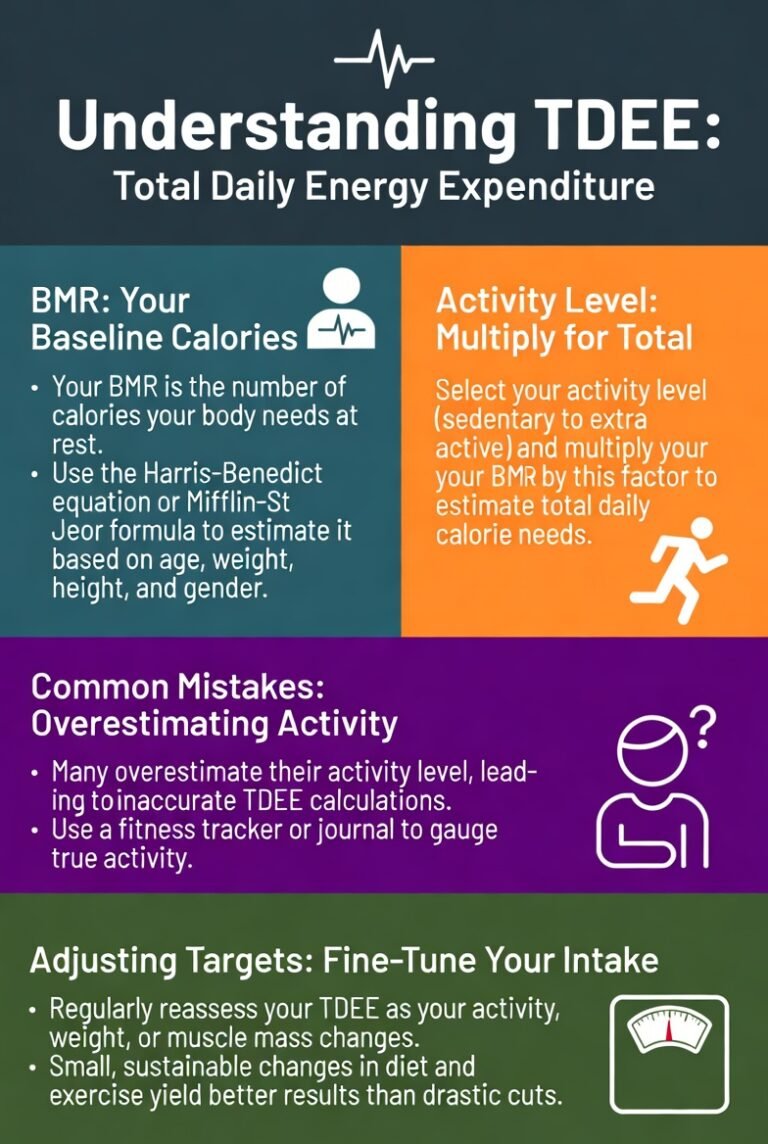
Use the James Smith Calculator to find your current TDEE (Total Daily Energy Expenditure) based on your stats and activity level.
Then add:
- Beginners/intermediates: +250–500 kcal/day
- Advanced lifters (slower gains): +150–300 kcal/day
- Very lean individuals or aggressive mini-cuts: start at +200 kcal and monitor
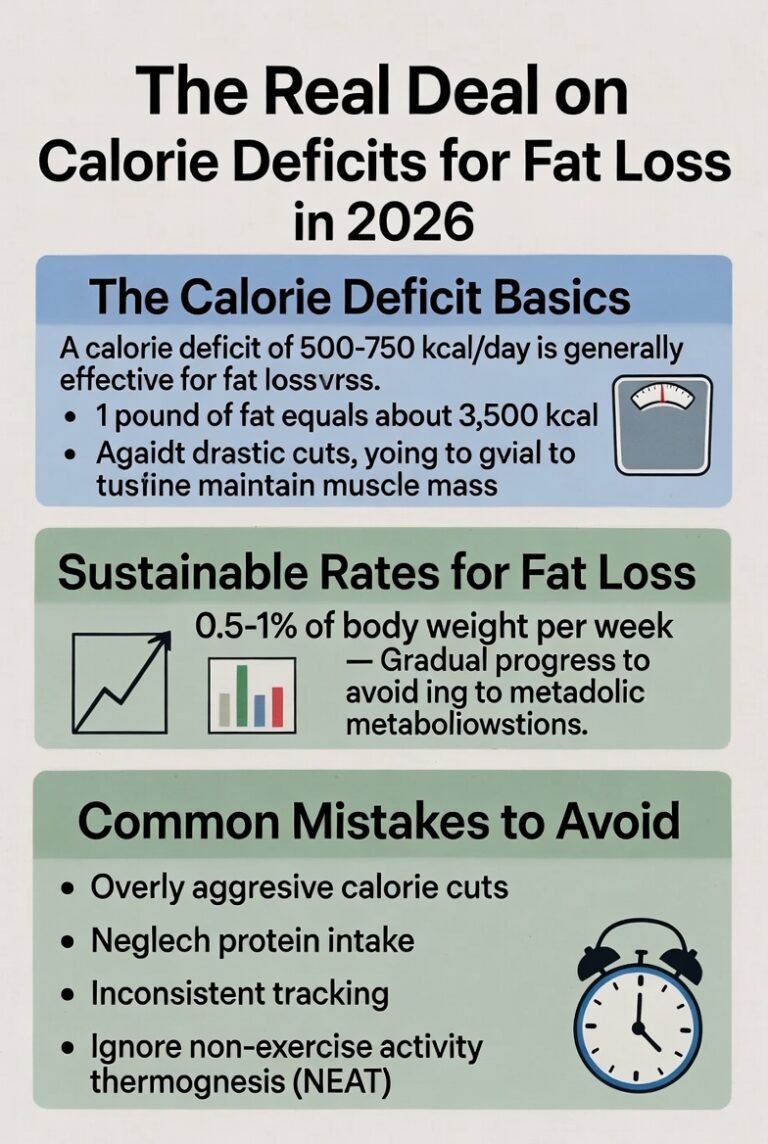
Track your weekly average weight. Aim for 0.25–0.75% bodyweight gain per month (e.g., 0.4–1.2 kg / 0.9–2.6 lbs for a 80 kg person). Faster than that? You’re likely adding too much fat.
Why Junk Food Sabotages Lean Gains
Junk food (high-sugar, high-fat processed items) might hit your calorie target, but it fails on nutrient density, satiety, and hormonal response.
Problems with “dirty” calories:
- Poor satiety → You stay hungry → harder to stick to the small surplus without overeating.
- Blood sugar rollercoaster → Insulin spikes and crashes → more cravings, less energy for training.
- Low micronutrients → Deficiencies in zinc, magnesium, vitamin D, etc., impair recovery and testosterone.
- Inflammation & gut health → Chronic junk intake can increase systemic inflammation, hurting recovery.
- Worse nutrient partitioning → More calories shuttled to fat cells instead of muscle repair.
Compare:
- 500 kcal from chicken breast, rice, olive oil, veggies → high protein, fiber, micronutrients, steady energy.
- 500 kcal from donuts, soda, chips → quick spike, crash, minimal nutrition, easy to overshoot later.
Clean calories support better workouts, better sleep, better hormones — all of which compound into more muscle over months.
Step-by-Step: How to Build Muscle on a Small Surplus
1. Dial in Your Training (The Real Driver)
Muscle is built in the gym, not the kitchen. Focus on:
- Progressive overload (add weight, reps, or improve form over time)
- 10–20 hard sets per muscle group per week
- Compound lifts as backbone: squat, deadlift, bench, overhead press, pull-ups/rows
- 6–15 rep range for most work (hypertrophy sweet spot)
Train 3–5 days/week with good recovery.
2. Set Protein High
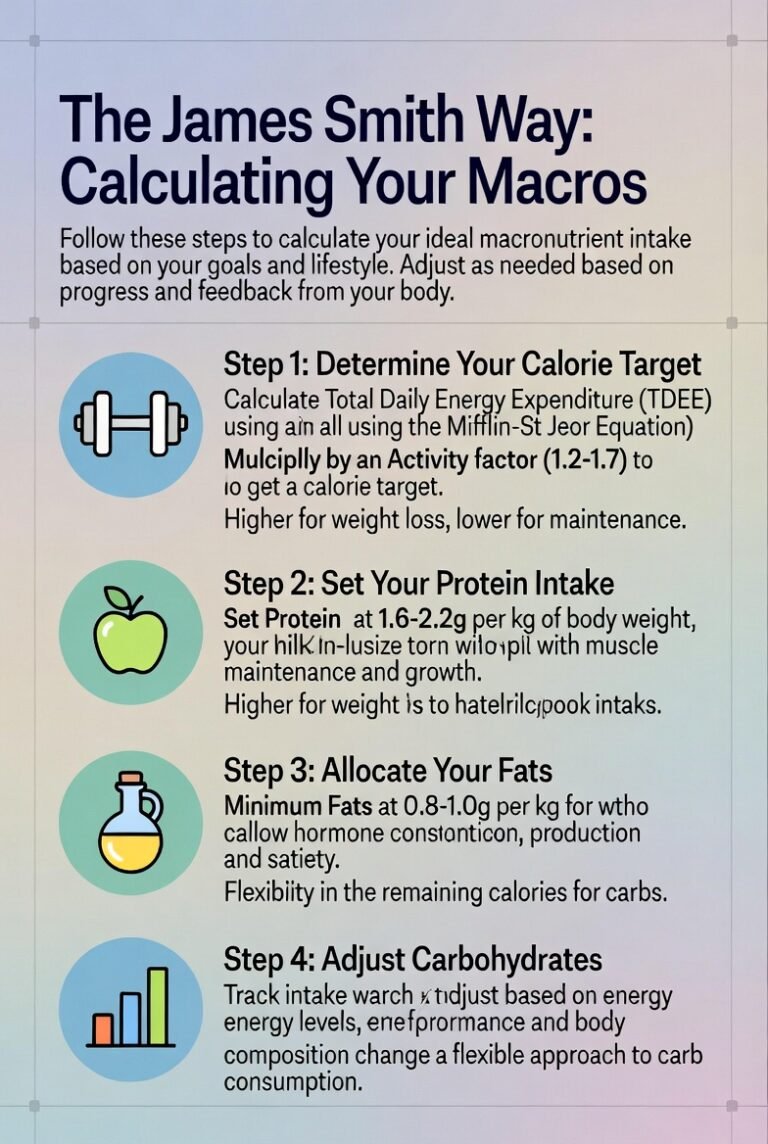
Aim for 1.6–2.2 g/kg bodyweight (0.73–1 g/lb).
Examples:
- 80 kg person → 128–176 g protein/day
- Spread across 3–5 meals for max synthesis
Prioritize: lean meats, fish, eggs, dairy, whey, Greek yogurt, tofu, tempeh, lentils + rice combos.
3. Calculate Your Macros & Calories
Example for 80 kg male, moderate activity, TDEE ~2800 kcal:
- Small surplus → Target 3050–3300 kcal
- Protein: 160 g (640 kcal)
- Fat: 80–100 g (720–900 kcal) — keep testosterone-friendly
- Carbs: remainder (usually 350–450 g) — fuel training
Adjust based on progress: if gaining too fast → drop 100–200 kcal; stalling → add 100–200 kcal.
Use the James Smith Calculator regularly to re-check TDEE as weight changes.
4. Food Choices: Keep It Mostly Clean
80/20 rule works great:
- 80%+ calories from whole/minimally processed sources
- 20% flexible (ice cream, pizza, etc.) — but track them tightly
Power foods for small-surplus bulking:
- Oats, rice, potatoes, sweet potatoes
- Chicken breast, turkey, lean beef, salmon
- Eggs & egg whites
- Greek yogurt, cottage cheese
- Nuts, avocado, olive oil (fats)
- Fruits, veggies for micronutrients & fullness
Sample day (~3200 kcal, 170 g protein):
- Breakfast: 100 g oats + whey + banana + peanut butter
- Snack: Greek yogurt + berries + almonds
- Lunch: 200 g chicken + 150 g rice + veggies + olive oil
- Pre-workout: rice cakes + jam + whey shake
- Post-workout: 200 g lean beef + large sweet potato + salad
- Dinner: salmon + quinoa + broccoli
- Evening: cottage cheese + honey
5. Track & Adjust Every 2–4 Weeks
- Weigh yourself daily (morning, fasted), use weekly average
- Take progress photos & measurements (waist, arms, thighs)
- Track strength in the gym
- If waist is creeping up too much → tighten surplus or increase cardio slightly (NEAT or 1–2 low-intensity sessions)
Mini-cuts (4–8 weeks at maintenance or small deficit) every 12–20 weeks can erase fat while preserving most muscle.
Common Mistakes to Avoid
- Under-eating protein → limits growth
- Over-relying on junk → poor recovery & more fat
- No progression in training → surplus wasted
- Not tracking accurately → hidden over/unders
- Being impatient → muscle grows slowly
Drop your current surplus setup or biggest bulking struggle in the comments — let’s talk gains! 💪