Fat Loss Plateau? Your TDEE Changed – Here’s How to Fix It
Fat Loss Plateau? Your TDEE Changed – Here’s How to Fix It
Hey there, fitness enthusiasts! If you’re knee-deep in your fat loss journey and suddenly the scale refuses to budge, you’re not alone. That frustrating stall, often called a fat loss plateau, can feel like hitting a brick wall. But here’s a game-changer: one of the most common culprits isn’t your willpower or genetics—it’s a shift in your Total Daily Energy Expenditure (TDEE). In this post, we’ll break down exactly what that means, why it happens during fat loss, and most importantly, how to recalibrate and get back on track. We’ll keep it straightforward, backed by science, and focused on actionable steps so you can apply this to your routine right away. Let’s dive in.
Understanding the Fat Loss Plateau
A fat loss plateau occurs when your body weight stops decreasing despite sticking to your diet and exercise plan. You’ve been consistent—tracking calories, hitting the gym, maybe even meal prepping like a pro—but after weeks or months of steady progress, the results grind to a halt. This isn’t just bad luck; it’s your body’s adaptive response to change.
While plateaus can stem from various factors like water retention, muscle gain masking fat loss, or even stress-induced hormonal shifts, a key overlooked reason is a change in your energy expenditure. Your body isn’t a static machine; as you lose fat, it becomes more efficient at using energy, which can sabotage your deficit if you don’t adjust. Enter TDEE—the metric that holds the key to unlocking continued progress.
What is TDEE and Why Does It Matter?
TDEE stands for Total Daily Energy Expenditure, which is essentially the total number of calories your body burns in a day to keep you alive and active. It’s not just about workouts; TDEE encompasses everything from breathing to scrolling on your phone. Breaking it down:
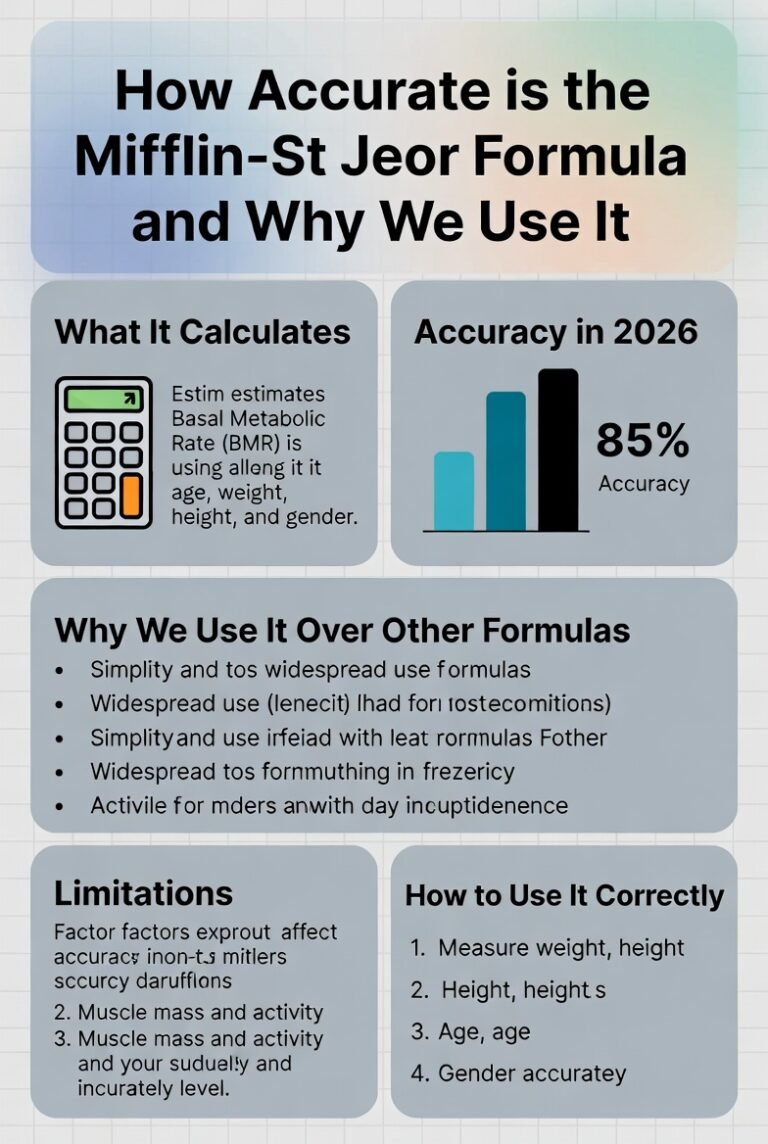
- Basal Metabolic Rate (BMR): This is the biggest chunk, accounting for 60-70% of your TDEE. BMR is the energy your body needs at rest for vital functions like organ operation, temperature regulation, and cell repair. It’s influenced by factors like age, sex, height, weight, and muscle mass.
- Non-Exercise Activity Thermogenesis (NEAT): This covers everyday movements outside of structured exercise—think walking to the kitchen, fidgeting at your desk, or gesturing while talking. NEAT can vary wildly between people and situations, making up 15-30% of TDEE.
- Thermic Effect of Food (TEF): About 10% of your TDEE comes from digesting and processing what you eat. Protein-rich foods boost TEF more than carbs or fats.
- Exercise Activity Thermogenesis (EAT): This is the calories burned during intentional workouts, like lifting weights or running, typically 5-10% for most people unless you’re an athlete.
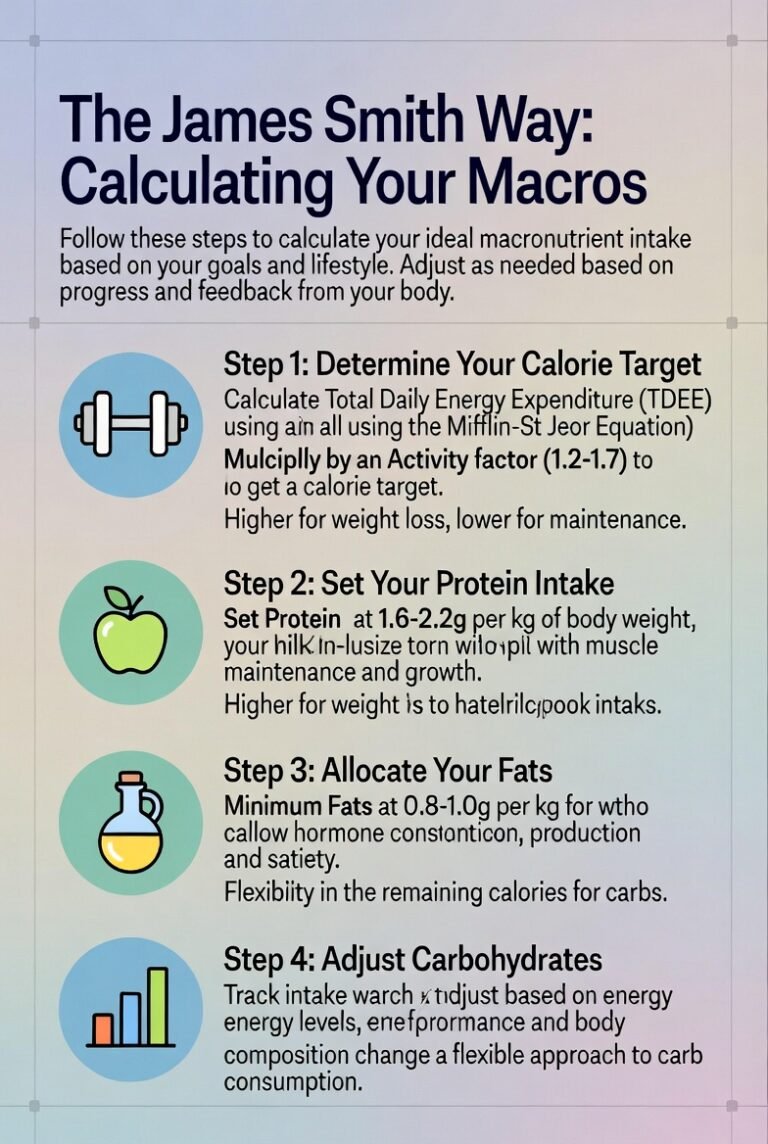
Your TDEE is what you use to create a calorie deficit for fat loss: eat fewer calories than your TDEE, and your body taps into fat stores for energy. Tools like the James Smith Calculator make estimating TDEE easy by plugging in your stats and activity level for a personalized figure. But here’s the catch—TDEE isn’t set in stone.
How Weight Loss Changes Your TDEE
As you shed pounds, your TDEE naturally decreases, often by more than you’d expect. Studies, like those from the National Institutes of Health, show that for every 10 pounds lost, your daily calorie burn can drop by 20-50 calories, compounding over time. Why?
- Reduced Body Weight: A lighter body requires less energy to maintain. Your BMR drops because there’s simply less “you” to fuel. For example, if you start at 200 pounds with a BMR of 1,800 calories, losing 20 pounds might shave off 100-200 calories from that baseline.
- Metabolic Adaptation: Your body is smart (sometimes too smart). In response to a calorie deficit, it downregulates energy output to conserve resources—a survival mechanism from our hunter-gatherer days. This can mean a slight dip in BMR beyond what’s expected from weight loss alone, plus subconscious reductions in NEAT. You might find yourself sitting more or moving less energetically without realizing it.
- Loss of Muscle Mass: If your deficit is too aggressive or lacks resistance training, you could lose muscle along with fat. Since muscle is metabolically active (burning about 6-10 calories per pound per day at rest), this further lowers TDEE.
- Hormonal Shifts: Hormones like thyroid (T3 and T4) and leptin (which signals fullness) decrease during prolonged deficits, slowing metabolism. This adaptive response can reduce TDEE by 10-15% in some cases.
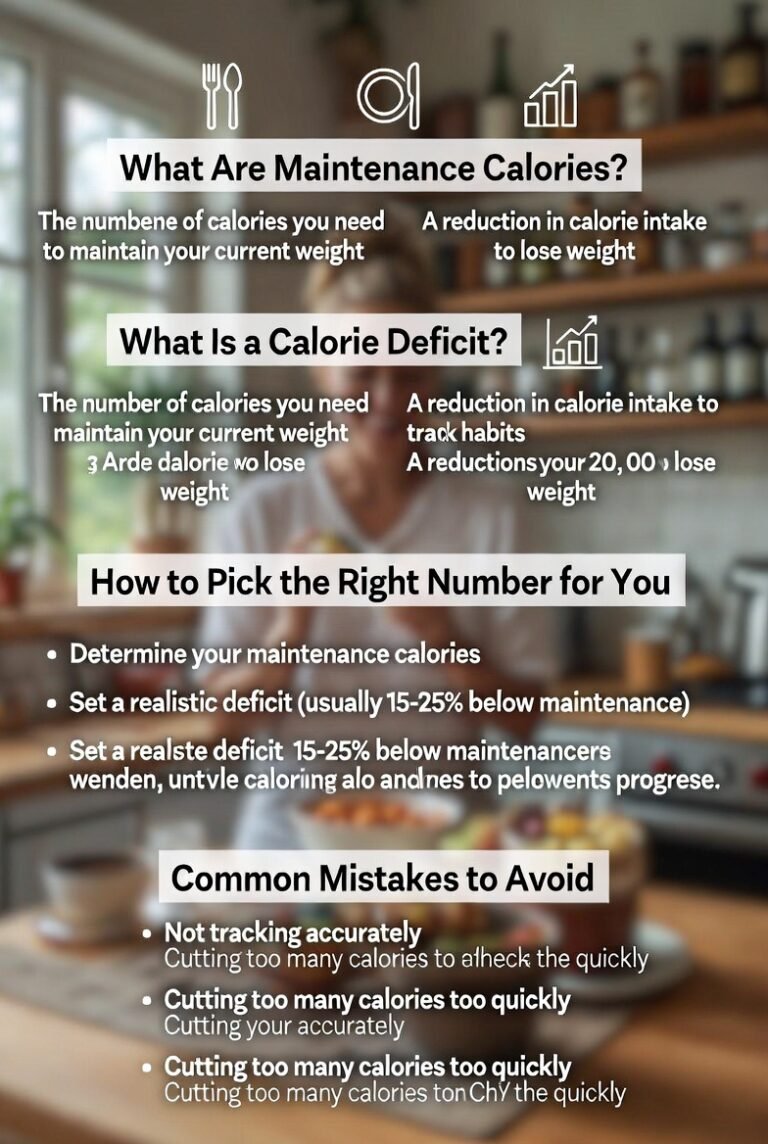
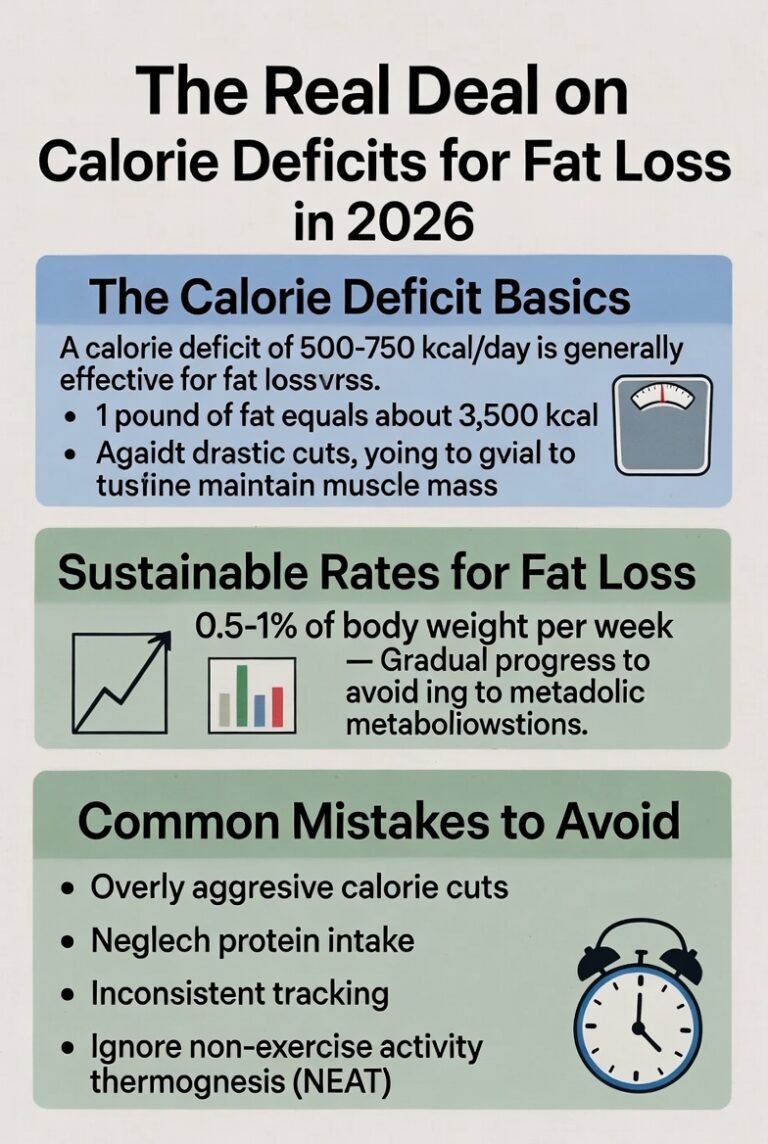
The result? Your initial calorie target, say 500 below TDEE for a pound-a-week loss, becomes less effective. What was a deficit turns into maintenance, and the plateau sets in. If you’ve been dieting for 3-6 months without recalculating, this is likely happening to you.
Signs Your Plateau is TDEE-Related
Not every stall is due to TDEE changes, but watch for these clues:
- Consistent tracking shows you’re in a deficit, but weight isn’t dropping for 2-4 weeks (accounting for fluctuations).
- You’re feeling more fatigued or less motivated to move, hinting at NEAT decline.
- Biofeedback like sleep quality, hunger levels, or workout performance is worsening—signs of metabolic slowdown.
- Measurements (waist, arms) stall alongside the scale, ruling out muscle gain.
If this sounds familiar, it’s time to reassess rather than slash calories further, which could worsen the issue.
How to Fix a TDEE-Induced Plateau
The good news: you can break through by recalibrating your approach. Here’s a step-by-step guide to get your fat loss moving again.
1. Recalculate Your TDEE
Start fresh with your current stats. Use the James Smith Calculator—it’s designed for accuracy and factors in real-world activity. Input your updated weight, height, age, and lifestyle (sedentary, active, etc.). Compare it to your original TDEE; you might find it’s 200-400 calories lower. Adjust your intake accordingly to restore a moderate deficit (250-500 calories below new TDEE for sustainable loss).
Pro tip: Track for a week using a food scale and app like MyFitnessPal to confirm your actual intake matches the plan.
2. Boost NEAT Without Overhauling Your Life
Since NEAT often drops stealthily, ramp it up subtly:
- Aim for 8,000-10,000 steps daily—park farther, take stairs, or pace during calls.
- Stand more: Use a standing desk or set reminders to move every hour.
- Incorporate fun activities like walking the dog or gardening to make it sustainable.
This can add 200-300 calories to your burn without extra gym time.
3. Preserve or Build Muscle
Muscle protects your metabolism. Prioritize:
- Resistance training 3-4 times a week—focus on compound lifts like squats, deadlifts, and presses.
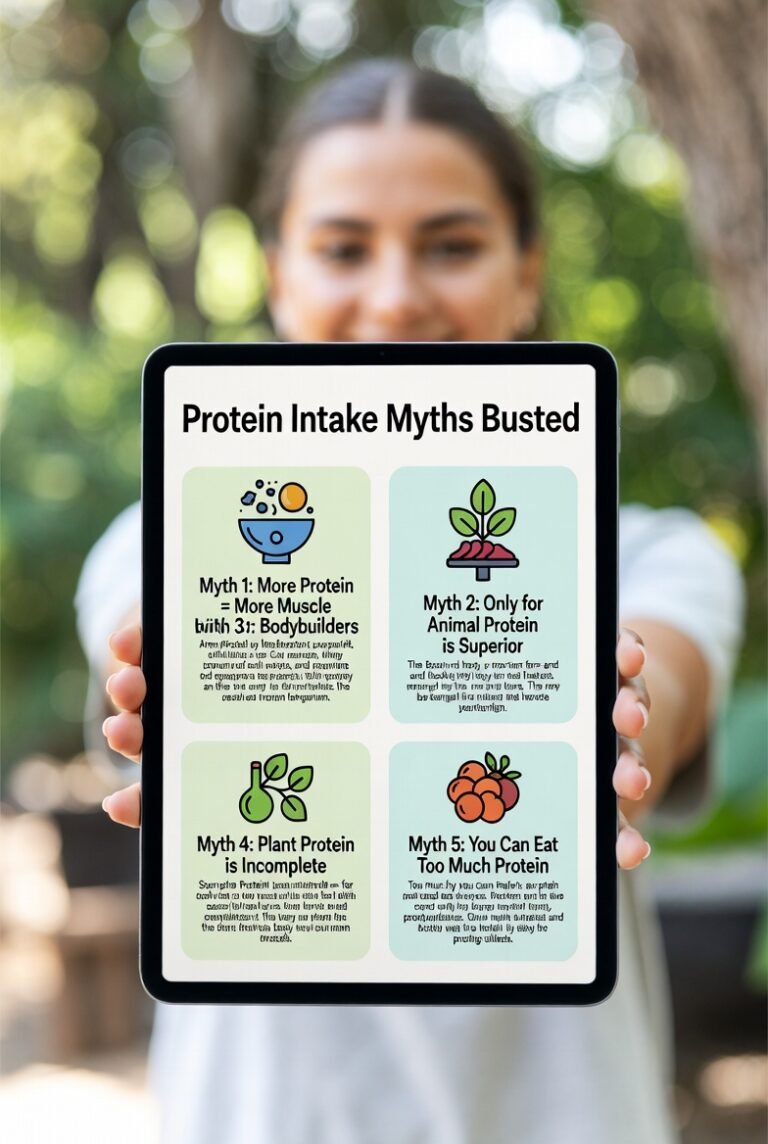
- Adequate protein: Aim for 1.6-2.2 grams per kg of body weight (e.g., 120-160g for a 150-pound person) from sources like chicken, eggs, or plant-based options.
- If needed, ease up on cardio, which can catabolize muscle in a deficit.
4. Cycle Your Calories or Take a Diet Break
Constant deficits lead to adaptation. Try:
- Carb cycling: Higher carbs on training days to fuel performance and boost leptin.
- A 1-2 week diet break: Eat at maintenance calories to reset hormones and metabolism. Research from the MATADOR study shows this minimizes adaptive drops and enhances long-term fat loss.
5. Monitor and Adjust Regularly
Weigh yourself weekly (same time, conditions) and track progress photos/measurements. Every 4-6 weeks, re-evaluate TDEE. If progress stalls again, rule out other factors like sleep (aim for 7-9 hours) or stress management (meditation, yoga).
Avoid extremes: Don’t drop below 1,200-1,500 calories daily (depending on size/gender) to prevent nutrient deficiencies or further metabolic slowdown. If you’re unsure, consult a coach or doctor.
Wrapping It Up: Get Back in the Game
A fat loss plateau doesn’t mean failure—it’s a signal to adapt. By understanding how your TDEE evolves and making smart tweaks, you can reignite progress without frustration. Remember, sustainable fat loss is about consistency over perfection. Head over to the James Smith Calculator today to crunch your numbers and tailor your plan. You’ve got this—keep pushing, and those results will follow.
What are your plateau experiences? Share in the comments below—we’re all in this together! Stay strong.