Stop Guessing Your Calories – Use This Simple Calculator and Track for 14 Days
How many times have you said, “I think I’m eating in a deficit,” only to see the scale stay flat (or creep up) for weeks? Guessing calories is the #1 reason most people fail at fat loss. You overestimate activity, underestimate portions, ignore drinks/snacks, and end up eating at maintenance while thinking you’re cutting. It’s not your willpower — it’s bad information.
James Smith’s whole approach is simple: Get the numbers right from the start, track them brutally honestly, and adjust based on what actually happens — not what you hope or feel. The fastest way to stop the guessing game? Plug your stats into a proper calculator once, then prove (or disprove) the numbers with 14 days of real tracking.
Why Guessing Always Fails
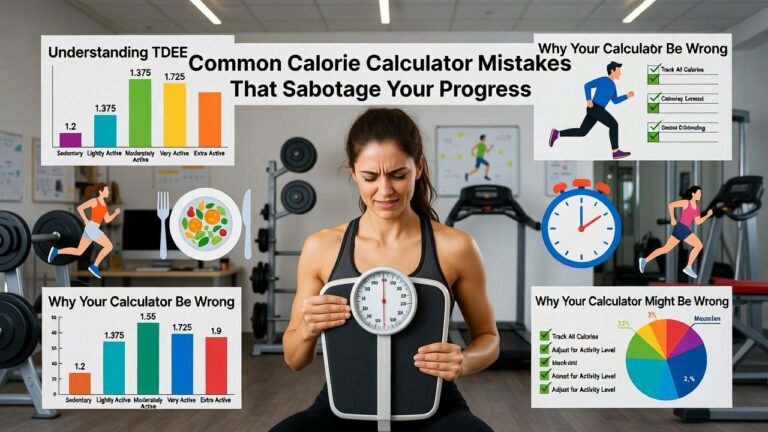
- Most people think they’re “moderately active” but live sedentary lives → TDEE inflated by 300–500 kcal.
- Eyeballing food portions → Underestimate intake by 20–50% (proven in studies).
- Forgetting weekend drinks, cooking oils, “just a bite” snacks → Hidden 400–800 kcal easy.
- No tracking = no feedback → You keep repeating the same mistakes forever.
Result: Months of effort with zero visible progress. Frustrating and demotivating.
The Fix: One Calculator + 14 Days of Honest Tracking
Forget complicated apps, endless macro debates, or “intuitive eating” when you’re trying to get lean. Do this instead:
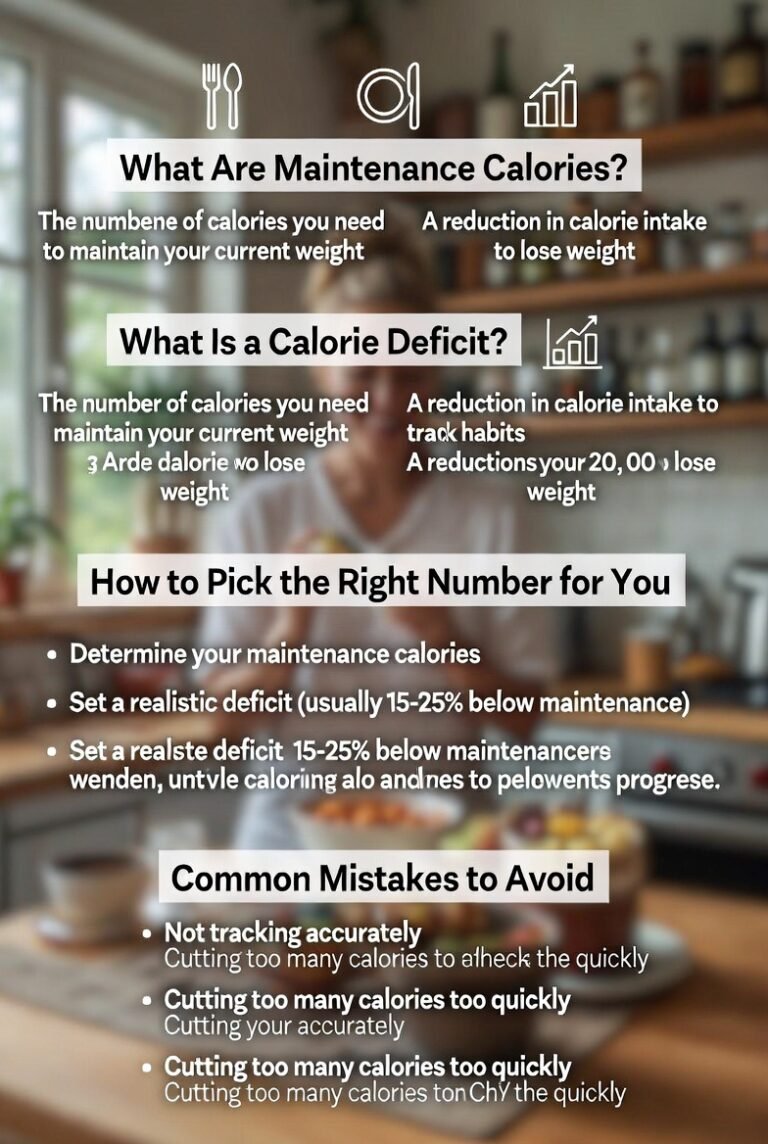
- Run the James Smith Calculator once (takes 30 seconds) Enter age, gender, height, weight, realistic activity level. Get your:
- BMR (Mifflin-St Jeor — most accurate general formula)
- TDEE (conservative multipliers — no ego inflating)
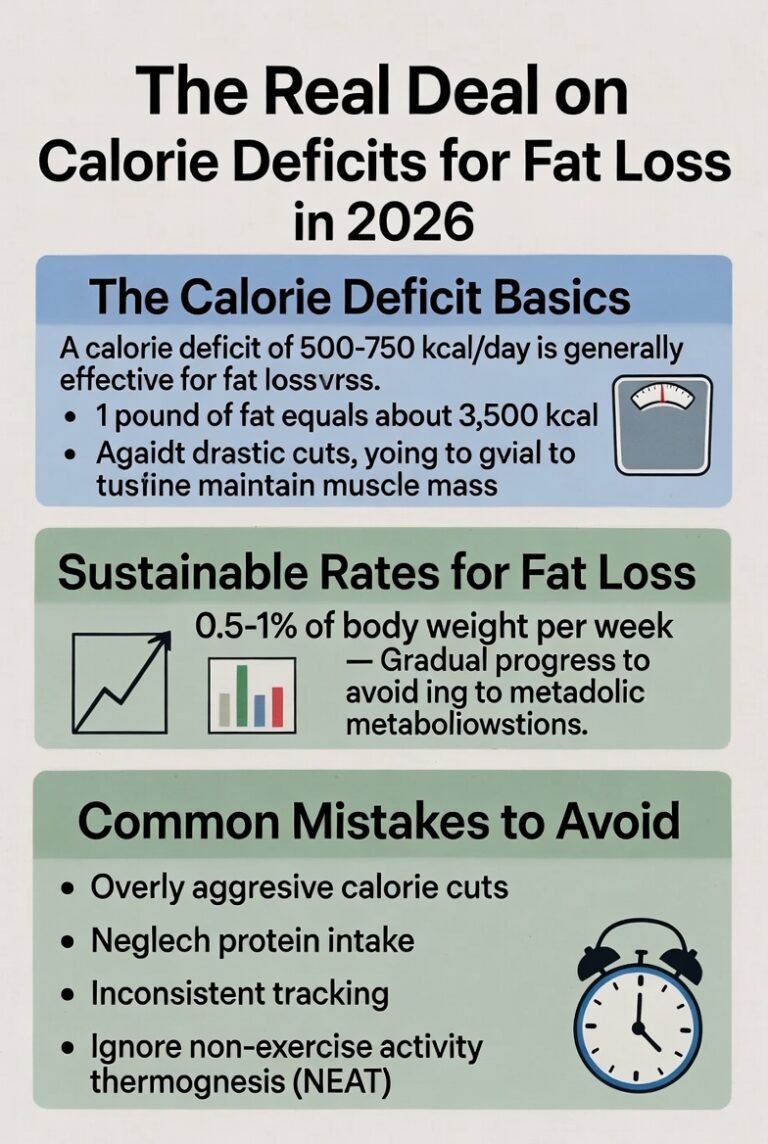
- Calorie target for fat loss (15–20% deficit, sustainable)
- Starting macros (high protein 1.8–2.2 g/kg, fats min 0.8–1 g/kg, carbs fill rest)
- Track everything accurately for the next 14 days
- Weigh food (kitchen scale — essential first 2 weeks).
- Log every bite, sip, condiment in an app (MyFitnessPal, Cronometer, etc.).
- Weigh yourself daily (morning, post-toilet, pre-food) → calculate weekly average.
- Hit 8–10k steps minimum (NEAT matters).
- Keep protein high, train hard, sleep well.
- Look at the data after 14 days (the truth serum)
- Losing 0.5–1% bodyweight per week (0.4–0.8 kg for most)? Perfect — stay the course.
- No change or gain? Your “deficit” was actually maintenance/surplus → drop 150–250 kcal or add 3k steps.
- Losing too fast (>1.2–1.5%) or wrecked? Add 100–200 kcal back (mostly carbs).
- Re-run the calculator with updated weight if you’ve lost 3–5+ kg.
That’s it. 14 days of data tells you more than 6 months of guessing.
Why 14 Days Works So Well
- Long enough to smooth out water/glycogen noise (weekly average > daily drama).
- Short enough to stay motivated — most people can commit to 2 weeks of strict tracking.
- Gives clear feedback: If numbers match progress, confidence skyrockets. If not, small fix → momentum returns.
- Builds the habit of honest logging — the real secret to long-term leanness.
Common Guessing Traps to Avoid
- “I’ll just eat less intuitively” → Fails 95% of people in a deficit.
- Adjusting every day on scale mood swings → Chaos.
- Not weighing food → Portions creep up fast.
- Ignoring drinks/snacks → Biggest hidden calories.
- Quitting after one bad week → Normal fluctuations happen.