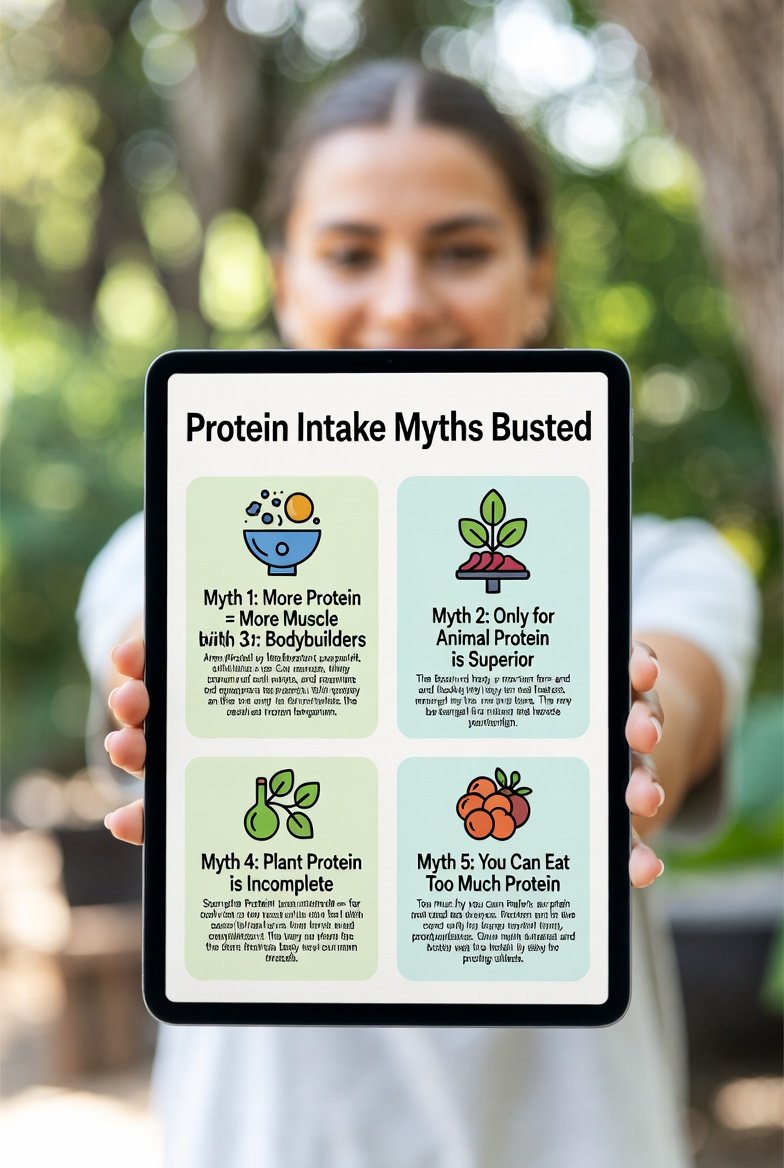
Protein Intake Myths Busted – What Your Calculator Should Actually Recommend
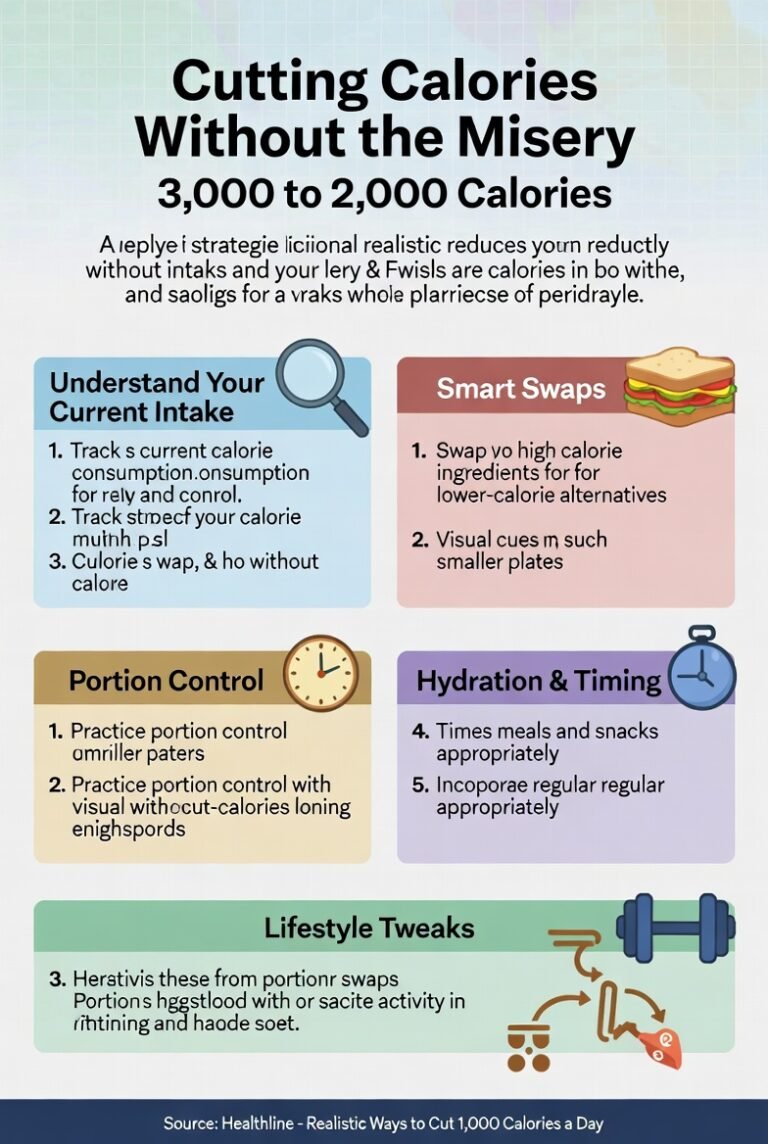
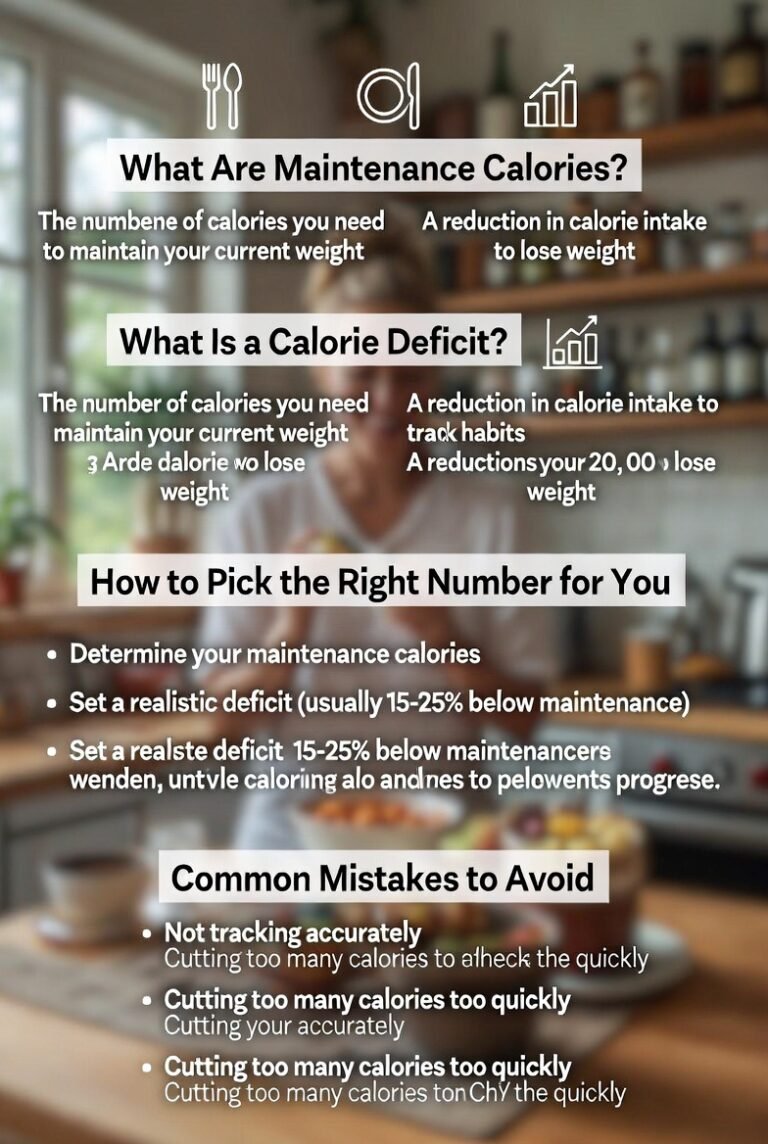
Protein is the king of macros for a reason — it builds/preserves muscle, crushes hunger in a deficit, and keeps you full. But the fitness world is full of absolute nonsense myths that make people overcomplicate it, waste money on endless shakes, or fear eating “too much.” James Smith style: Cut the BS. High protein (1.6–2.2 g/kg) works great for most — sustainable, effective, backed by evidence. Here’s the top myths busted, and what a good calculator (like ours) actually spits out.
Myth 1: You Can Only Absorb 20–30g of Protein Per Meal (The “30g Limit” Lie)
This one’s everywhere: “Your body wastes anything over 30g per sitting.” Wrong.
- Reality: Your body digests and uses far more than 30g — studies show MPS (muscle protein synthesis) plateaus around 20–40g high-quality protein per meal, but total daily intake matters most. Excess isn’t “wasted” — it’s used for energy, other tissues, or stored if surplus.
- Bust: No hard cap. Spread protein across 3–5 meals for convenience/satiety, but if you hit 160g in two big meals, you’re fine.
- Calculator rec: Aim even distribution for practicality (e.g., 40–50g per meal at higher totals), but total daily grams win.
Myth 2: More Protein = More Muscle Forever (The “Pile It On” Delusion)
Gym bros think 300g+ daily = instant gains. Nope.
- Reality: Benefits top out around 1.6 g/kg/day for muscle/strength in most (meta-analyses confirm plateau). Higher (2.3–3.1 g/kg) helps preserve muscle in big deficits, but beyond that? Diminishing returns — extra calories often store as fat if not needed.
- Bust: Training stimulus drives growth; protein supports it. 1 g/lb (2.2 g/kg) is upper safe/effective for hard trainers — no need for 400g shakes.
- Calculator rec: 1.6–2.2 g/kg (higher end for cuts/hard training) — maximizes results without excess.
Myth 3: High Protein Damages Kidneys (The Scary Health Myth)
“Too much protein wrecks your kidneys!” — said every worried mum/auntie.
- Reality: In healthy people (no pre-existing kidney issues), high protein (up to 3+ g/kg) is safe — no evidence of harm in long-term studies. Myth stems from old data on diseased kidneys; healthy ones handle it fine.
- Bust: If kidneys are good, prioritize protein guilt-free. Monitor if at risk (doctor check).
- Calculator rec: Safe ranges — no warnings unless user inputs health flags.
Myth 4: You Need Animal Protein for Gains (Plant vs Animal BS)
“Plants don’t have ‘complete’ protein — vegans can’t build muscle.”
- Reality: Complete proteins (all EAAs) exist in plants (soy, quinoa); combining sources (rice + beans) works. Evidence shows plant-based diets support muscle/strength if total protein/leucine adequate.
- Bust: Animal sources often denser/higher leucine, but plants fine with planning/volume. No superiority for gains if totals match.
- Calculator rec: Focus on total grams + leucine-rich sources — flexible for all diets.
Myth 5: Protein Timing Is Make-or-Break (Anabolic Window Myth)
“Must slam shake in 30 min post-workout or gains lost!”
- Reality: Anabolic window is wider (24+ hours post-training). Total daily protein matters more than exact timing — pre/post both help, but consistency wins.
- Bust: Eat protein around training for convenience, but don’t panic if delayed.
- Calculator rec: Suggest spreading intake — e.g., include post-workout if possible, but daily total first.
What Your Calculator Should Actually Recommend (James Smith Style)
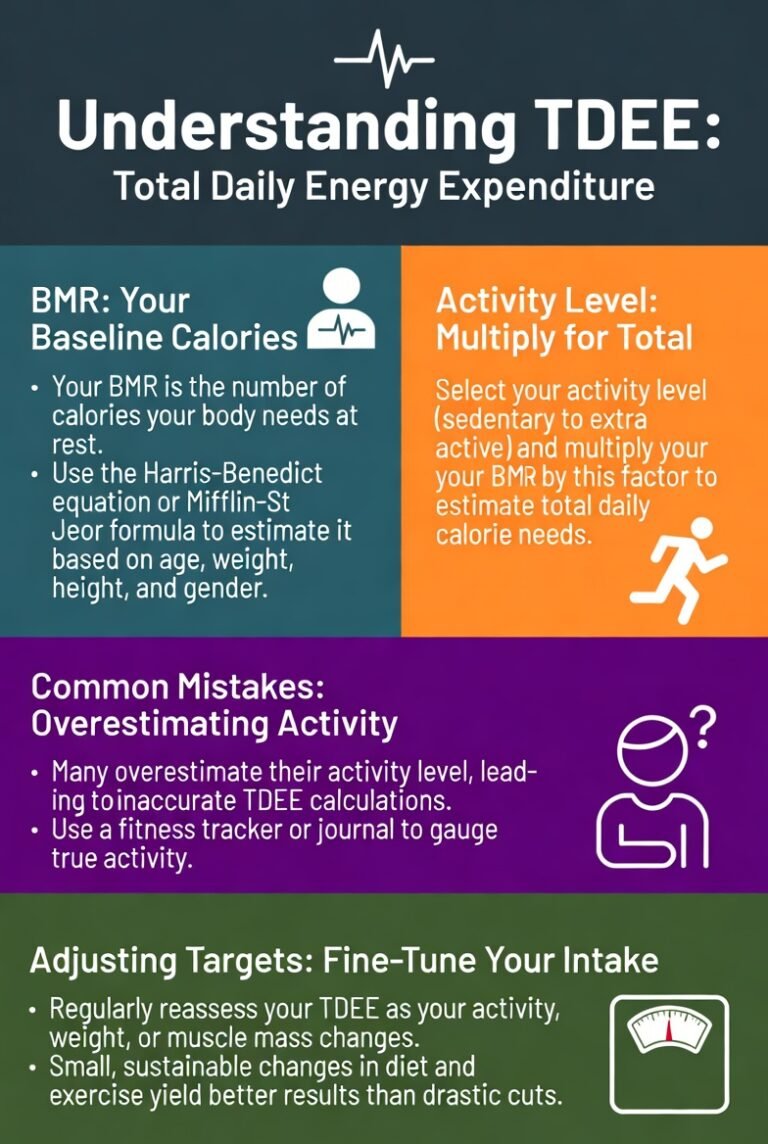
Good calculators (Mifflin-St Jeor TDEE base) recommend:
- Baseline: 1.6–2.2 g/kg bodyweight (ISSN-aligned; optimal for active/fat loss/muscle).
- Fat loss: Higher end (2.0–2.2 g/kg) — preserves muscle, crushes hunger.
- Maintenance/gain: 1.6–2.0 g/kg sufficient.
- Example: 80 kg person → 128–176 g/day (start ~160 g for cuts).
- Why this range? Evidence shows it maximizes MPS/retention without excess calories/waste.
- Extras: Prioritize leucine-rich (whey, eggs, meat, soy); spread 3–5 meals; track total.
Stop chasing myths — high protein helps, but extremes don’t. Plug into the James Smith Calculator — enter stats → get realistic TDEE + macros (protein prioritized). Track 14 days: Scale/energy/hunger tell truth. Adjust up/down slightly.